
The 20 Hour Turnover: What It Takes to Reset a 13 Bedroom Wedding Venue

If you have ever wondered what it actually takes to host a wedding on Friday, clean the entire property, and be ready to host another one on Saturday, you are asking the right question. Most wedding venues do not operate this way. They host one event a weekend, send guests home that night, and have five days to reset. We do not. Scarborough House is a 9,000 square foot estate in Stantonsburg, North Carolina that sleeps 28 overnight guests in standard bedroom beds, plus one bonus twin for 29 fixed overnight bed spaces across 13 bedrooms and 10 bathrooms. Our couples check in Friday afternoon. They check out Sunday. And somewhere in between, an entire wedding happens, along with three days of real living: cooking in the kitchen, swimming in the pool, staying up late around the fire pits, and sleeping in real beds.
This is not a hotel that hosts weddings on the side. This is a wedding venue that operates like a hotel. The difference matters more than you think, and this post is our attempt to document exactly what that difference looks like from the inside. This is not a sales pitch. It is an operations story. If you are a couple touring venues, a fellow venue owner, or just someone who likes to know how things actually work, this one is for you.
How much time does it actually take to clean 9,000 square feet?
Let us start with the number that surprises most people: 20 hours.
That is the baseline. One person, working solid, no breaks, moving constantly. That person is there all day and into the evening. They are cleaning 13 bedrooms. They are scrubbing 10 bathrooms. They are wiping down every surface in the historic home, the guest house, the pool house, the common areas, the kitchen. They are changing sheets on roughly 16 beds scattered across four different structures. They are emptying trash cans. They are doing laundry. They are deep cleaning after people who have been celebrating for three days straight.
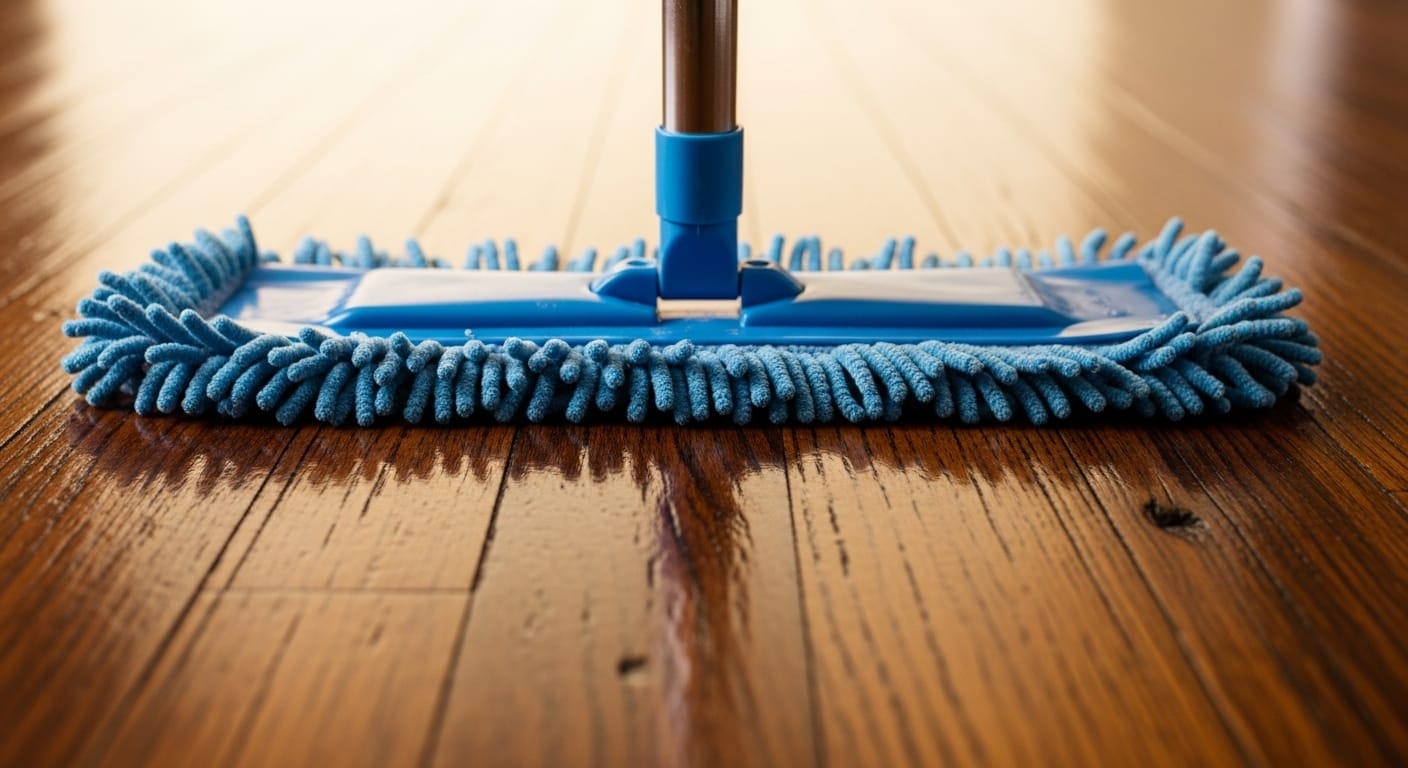
And remember, a lot of this property is over 200 years old. The oldest Federal style home in Wilson County does not get cleaned the way a new build does. The original wood floors get treated with care. The antique surfaces get the right products, not whatever is cheapest by the gallon. Part of the 20 hours is simply that we refuse to rush the parts of the house that cannot be replaced.
So here is the math that actually works: two people, each putting in 10 hours. One day. That is your turnaround. That is how you go from a full wedding weekend to ready for the next Friday.
But there is another scenario. If you have four people and they each work five hours, you are done even faster. The labor scales. The timeline compresses. What you cannot do is compress time without adding bodies. Twenty hours of work is twenty hours of work. The only question is how many pairs of hands are dividing it.
The space breakdown: what we are actually cleaning
This matters because a lot of people hear "13 bedrooms and 10 bathrooms" and it sounds like a number. Here is what it actually means.
Start with the third floor above the carport. That is three bedrooms, three beds. Next is the second floor directly above the carport. That is four bedrooms. Then the first floor of the main historic home. Two more bedrooms, two beds. Now go upstairs in that historic section. One king bed. Another king bed. Two bunk beds. So that is four beds in a space people think of as one. Then the pool house. One bed. The guest house cottage. Two more beds.
All of those beds need to be fully changed. All of the linens need to be stripped, washed, dried, and put back on before the next group arrives. You are not doing that in your head. You are actually walking the property, making beds, doing the math on detergent and washer cycles.

Then the bathrooms. Ten of them. Toilets. Sinks. Showers. Mirrors. Floors. Grout. People use bathrooms during a wedding weekend. They use them hard. You are not just wiping things down. You are actually cleaning. Deep cleaning on some surfaces depending on what happened.
The common areas multiply the work. The kitchen is commercial scale. The dining areas are large. There are multiple living spaces. There is a heated and cooled pavilion and a fire pit area. There is a pool area. Trash cans everywhere. All of that has been used by as many as 250 people over three days. If you want to see just how much space we are talking about, walk the grounds or browse the photo gallery. It is beautiful. It is also square footage, and every square foot of it gets touched between weekends.
The laundry math nobody thinks about
Here is a sub-problem inside the big problem: laundry is a pipeline, not a task.
Sixteen beds means sixteen sets of sheets, plus pillowcases, plus duvet covers where they need it, plus bath towels, hand towels, washcloths, kitchen towels, and pool towels for a group of 26. A residential washer runs maybe 45 minutes to an hour per load, and a dryer runs longer than that. You cannot start the laundry at the end of the cleaning day. If you do, you will still be there at 3 a.m. waiting on a dryer buzzer.
So the first thing that happens on turnover day is stripping beds. Every bed, every building, first hour. The washers start running before the first bathroom gets scrubbed, and they keep cycling all day in the background while the rest of the cleaning happens. Bed making is the last step in each room, once the room is otherwise done and the linens are back. It is a rhythm you learn: strip early, wash constantly, make beds last.
And you keep spare sets. Any operation like this needs more linens than beds, because stains happen, elastic wears out, and sometimes a fitted sheet simply does not survive the weekend. That inventory is real money sitting on a shelf, and it is part of what "sleeps 28 overnight guests in standard bedroom beds, plus one bonus twin for 29 fixed overnight bed spaces" actually costs behind the scenes.
Why two people, 10 hours each, is the real answer
You could theoretically have one person do it in 20 hours, but nobody works 20 hours straight. The second person does not just cut the time in half, by the way. Two people working the same property, coordinating, can actually be more efficient than double speed. One person is on laundry and bed changes while the other is on bathrooms. One person is doing kitchen detail while the other is hitting the bedrooms. You have momentum. You have division of labor.

Four people at five hours each gets you a faster reset, but at a certain point you hit diminishing returns. You have got people getting in each other's way. You need coordination. You need a leader. The sweet spot for us has been two dedicated people working a long day, or three people working a shorter stretch. You get the job done. You do not burn people out.
When the window shrinks: back to back weddings
Now for the scenario that really tests the system. Everything above assumes we have a full day between groups. Sometimes we do not.
Picture this: a Friday wedding with the couple and their families staying over Friday night, checking out mid-morning Saturday. And a Saturday wedding checking in that same afternoon. The 20 hours of work did not go anywhere. But the window just shrank to four hours.
Four hours to do 20 hours of work means five people, minimum, moving with a plan. Everyone has a zone before they walk in the door. One person owns laundry and nothing else. One person owns bathrooms. Two people run the bedrooms building by building. One person floats the common areas, the kitchen, and the trash. There is no standing around deciding what to do next, because the deciding happened the night before.
Those four hour turnarounds are the closest thing venue operations has to a pit stop. They are also the reason we are careful with our booking calendar. We only stack events like that when we know we have the crew to make the reset real, because the Saturday couple deserves a property that feels untouched, not a property that feels hurried. That is a promise we take seriously, and it is why every date on the calendar has labor math sitting behind it.
The variables: it depends on how the weekend went
Here is the honest part. Sometimes it is less than 20 hours. Sometimes it is more.
A wedding where guests are respectful, careful, and generally clean as they go means the turnaround is on the lower end. Some groups are naturally tidier. Some groups are more aware of the shared space. Some groups help clean up without being asked. That is awesome, and it shows in the timeline. Our dos and don'ts exist partly for this reason: a little guest awareness up front saves real hours on the back end.

Then there are the rough crowds. Not rough as in bad people. Just rough as in people who have been celebrating for three days and have not been thinking about deep cleanliness. Stuff gets broken. Stains happen. The pool house needs more attention. Someone spilled something and did not mention it. The bathrooms need extra scrubbing. The kitchen needs extra care.
So yeah, sometimes it is 22 hours. Sometimes it is 18. But 20 is your planning number. That is what you budget for. That is what you tell your cleaning team to expect.
Making the math work for your wedding
If you are planning a destination style wedding at a venue like Scarborough House, the turnaround is part of what you are paying for. It is part of the infrastructure that makes the weekend wedding experience actually possible. You are not just renting space. You are renting a property that has been completely reset and made ready for your celebration, whether that is a full weekend, a weekday wedding, or an intimate micro wedding.
Some venues cut corners here. They do a surface clean. They hope nobody notices. They schedule weddings knowing they have days of slack to prepare. We do not. We book Friday to Sunday. We reset by the next check-in. That takes real work and real people.
The team that makes this happen is usually the same people who run the property on normal weeks, manage the midweek Airbnb stays, and keep the RV hosting operation running. It is the same people who are there when something breaks at 2 a.m. It is the same people who care about the couple's experience. When you tour the property, you are usually meeting the same hands that made the beds.
Why this model is harder than people realize
Running a wedding venue is hard. Running a hotel is hard. Running both at the same time, with the same property, with the same team, means you have zero downtime. There is always something. There is always a guest who needs something. There is always a maintenance issue. There is always a cleaning cycle that needs to happen.
But here is why we do it: because couples actually want this. They do not want to rent a venue space and a hotel separately. They want one place where their people gather. They want their parents in a real bedroom, not a hotel room. They want the pool and the fire pit and the kitchen and the space to feel like home for a weekend. That is the whole idea behind a wedding venue with lodging near Raleigh, and it is what our couples tell us mattered most when they look back.

That requires a property that can actually function that way. It requires cleaning protocols. It requires labor math that works. It requires understanding that 9,000 square feet is not a small property and it needs serious attention between events. It is the same reason we built out a food and drink calculator, a ceremony seating planner, and a golden hour calculator for our couples: the weekends only feel effortless because the logistics were done in advance.
The reality check for venue operators
If you are running a wedding venue and considering adding overnight capacity, understand this: it is not a revenue upgrade that costs nothing. It is an operational commitment. You need to budget for cleaning. You need to budget for turnover time. You need linen inventory, supply closets, and a crew you can actually call. You need to be honest about what "destination wedding venue" actually means in terms of infrastructure.
For us, the 20 hour baseline is baked into our pricing model. It is real labor cost. It is real time. It is not an afterthought or a side benefit. It is core to the business. If your model only works when the cleaning is free, your model does not work.
The win
The win is that we can say to a couple: check in Friday. Your guests have a real home. You have a pool and a fire pit and 13 bedrooms and a full kitchen. Check out Sunday. We will handle the rest. And we actually mean it. We will have cleaned 9,000 square feet. We will have changed 16 beds. We will have scrubbed 10 bathrooms. We will be ready for the next celebration.
That is not typical in the wedding industry. That is not easy. But that is what the math actually requires.
If you are looking at wedding venues in Wilson County or the greater Raleigh area and you want to understand how a venue actually operates the destination wedding experience, this is it. This is the real work. This is the infrastructure that makes the weekend possible.
The property is ready. The team is ready. The math works. Now you just have to decide if a three day wedding weekend at a place that feels like home is what you actually want for your celebration.
It probably is. And if you want to see what 20 hours of care looks like in person, come take a tour. The beds will be made.