
Back Link Battle Buddy: Our GHL-First Collaboration Workflow
We built Back Link Battle Buddy because a spreadsheet can find a wedding business, but it cannot tell you whether you would trust that business with a couple who called your venue.
That part takes a conversation. It takes learning what another owner does well, what they cannot accommodate, and whether there is a useful reason to stay in touch.
At Scarborough House, we wanted software that supports that process without pretending to replace it. Our answer is an owner-only collaboration workspace connected to GoHighLevel, with research, call preparation, private partner forms, editorial approvals, and a small-pilot report.
The idea is simple: wedding professionals getting to know, like, and trust other wedding professionals, then sharing useful stories about what they learn. This is not a public software subscription or a paid membership program. It is how we are organizing our own relationship-building work.
Start with a real referral gap
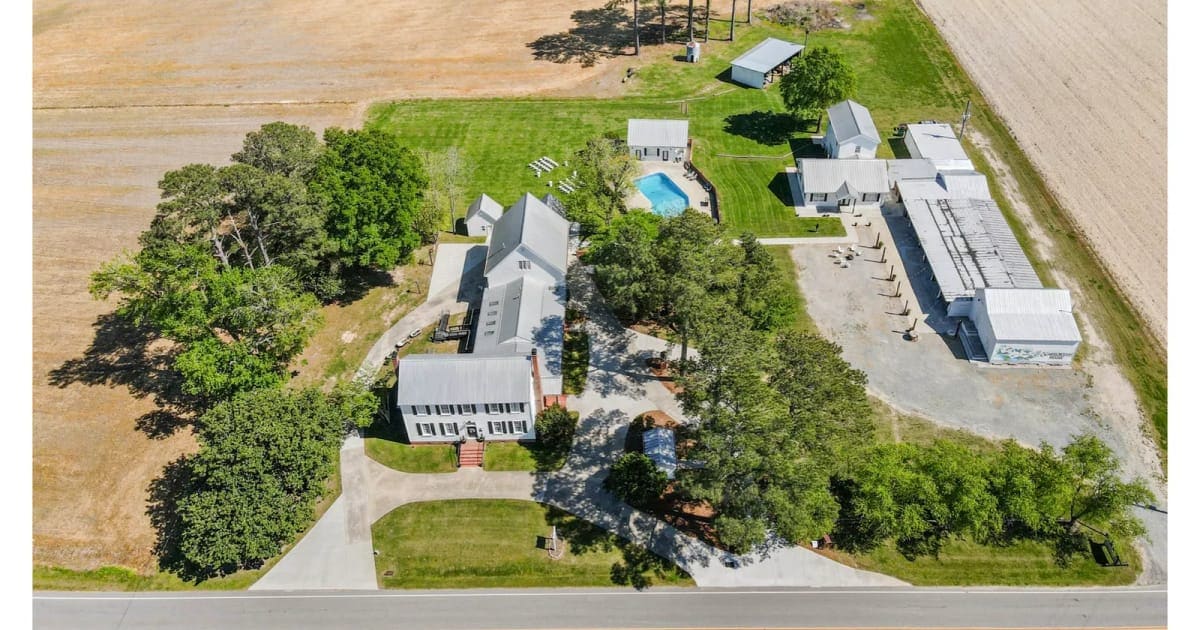
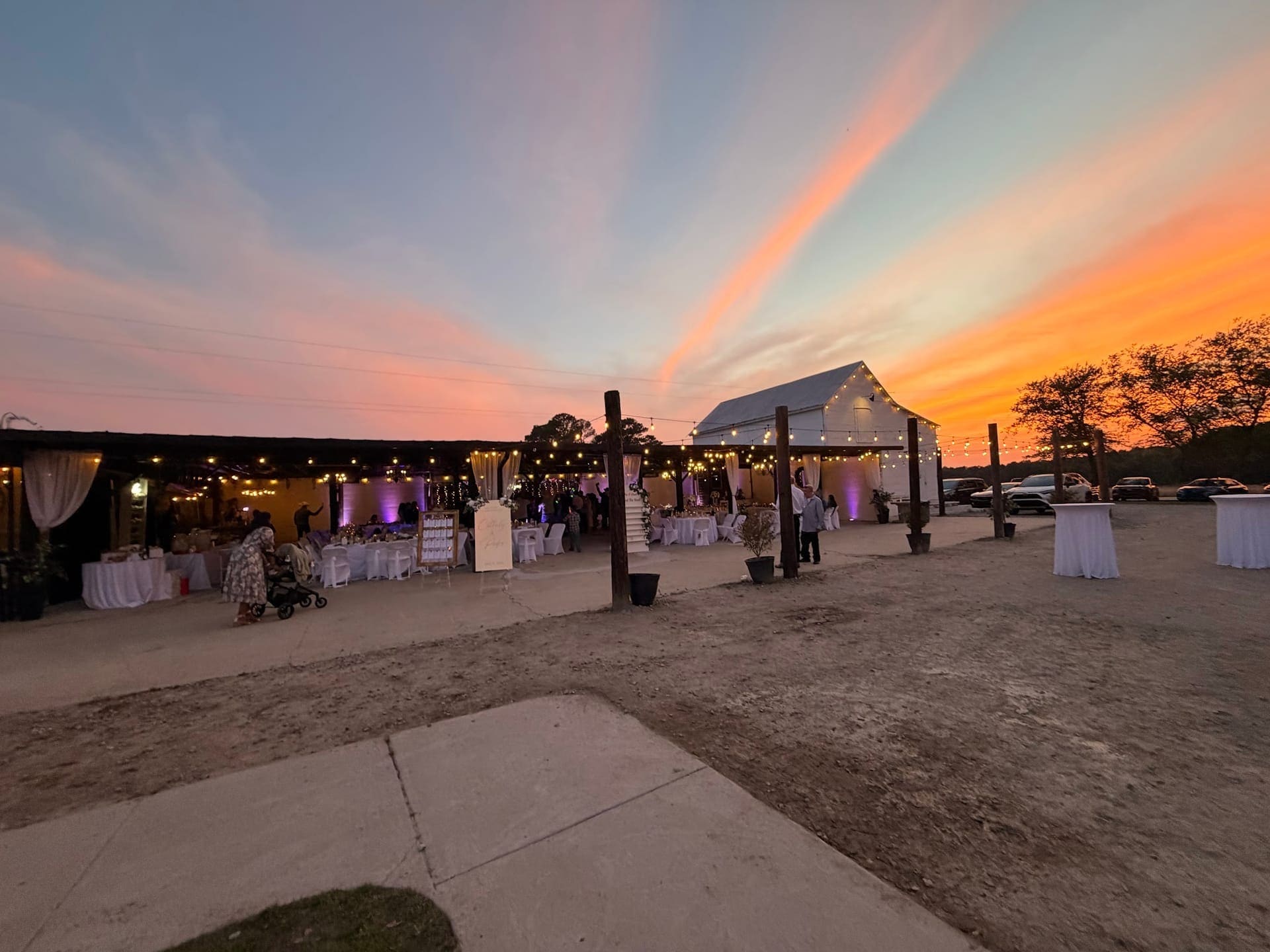
Our covered outdoor pavilion and on-site lodging suit a particular kind of wedding weekend. They do not make us the right answer for every inquiry. A couple who wants an indoor ballroom for a December, January, or February wedding may need a different venue. Another couple may want a date we already have booked.
We would rather understand a good alternative than give someone a name we barely recognize. The same applies to photographers, caterers, planners, musicians, and other wedding professionals. Knowing a specialty is more useful than knowing a logo.
That is the business problem behind the build. The goal is a useful introduction, not a bigger pile of contact records. Our wedding vendor directory helps people discover businesses. Battle Buddy supports the deeper work of learning where a relationship could genuinely help.
GHL remains the communications system
We already use GoHighLevel for contact and communication work. Building another sender into this feature would have created another place to check replies, permission, and follow-up history.
Instead, calls, email, texts, and replies stay in GHL. The Battle Buddy board prepares the work. It displays research, provides copy to personalize, and can create a native GHL call task when the saved review and contact checks allow it. Creating a task does not place a call.
A partner invitation is also a deliberate action. The board creates a private link, and we copy it into a message sent through GHL. The website does not quietly email the research list behind the owner's back.
This follows the same separation we described in connecting our CRM to GoHighLevel without losing control of our data: give each part of the system a clear job, rather than making every screen a competing CRM.
A researched business is not a verified relationship
The initial research pass contained 631 businesses. We staged 626 in GHL under the Back Link Battle Buddy tag. Five matched existing contact records and were held out rather than duplicated or casually changing their prior dispositions.
Those numbers describe a research queue. They do not mean 626 owners joined a program, accepted an invitation, or became trusted referral partners.
Research observations, including discovered phone numbers and email addresses, were preserved in structured notes. The new records were imported on hold, without those observations being promoted into primary contact fields. Before advancing a business, we need to verify a business-owned contact, explain the reader or referral fit, and identify a relevant article.
This is an intentionally human review step. A business being findable online is not proof that its contact details are current, that we know the owner, or that a follow-up is welcome.
Use ten conversations to learn before expanding
The pilot tools let us document a small, fixed group of reviewed businesses and save the wording we plan to use. For example, one opener might lead with referral gaps, while another leads with the opportunity to tell a useful business story.
The owner makes the calls in GHL, then records what actually happened: no answer, voicemail, wrong contact, conversation, interest, or a decline. Follow-up permission is a separate field, not something inferred from a friendly answer.
The report keeps the assigned group as its denominator. Repeated attempts do not create more participating businesses. A completed, consented intake is different from a phone conversation, and a referral inquiry needs an actual GHL inquiry record with source evidence.
A small opener comparison can teach us which explanation people understand. It cannot establish a statistically significant result from a handful of calls. We built the report to keep those distinctions visible rather than turn every interaction into a success metric.
The partner supplies the facts
Thinking about touring? Most couples know within the first ten minutes on the grounds. See tour times or check pricing first.
When a business is interested, its private intake asks about specialties, ideal customers, inquiries that are not a fit, and the kinds of referrals it could use. The owner can also supply a business story, original writing, and approved image links.
That changes the source material. Instead of writing an entire profile from a scraped description, we can work from information the business deliberately shared. We still need to check it, but we have a better starting point and a clear opportunity to ask questions.
The private forms use signed, expiring links. They are not public directory pages, and they do not load the site's marketing trackers. A submission saves information to the GHL record; it does not immediately publish an article.
Two drafts with different purposes
Once the owner confirms that the pilot has validated interest, the editorial panel can prepare two pieces: an original feature for Scarborough House and a separate, editable partner kit about Scarborough House.
The feature should answer our readers' questions about that particular business. The kit gives the other owner material they can independently adapt if they want to tell their own readers about us. It is not the same article with the names swapped.
Neither piece should claim that we worked a wedding together unless that really happened. Meeting an owner, touring a property, interviewing someone, and working an event together are different experiences. Good writing names the experience honestly.
The partner can choose not to use the kit. Our editorial decision is not conditional on their publishing it or linking back. The collaboration is free, and a business does not have to buy inclusion.
Approval belongs to the exact draft
Before handoff, the editorial flow requires recorded fact and image-rights checks, partner approval, and owner approval. The approvals apply to the current revision, not to a vague promise that some future version will be fine.
Editing a draft or its images creates a new revision and clears the previous checks and approvals. A partner change request also sends the material back through review. An old approval link cannot approve a newer draft.
With the checks and approvals in place, the owner can hand the feature to the existing Content Calendar. It enters as an unpublished, unscheduled article. Choosing its release date is another deliberate step, and publication rechecks the source and approval requirements.
That is the practical version of the rule behind reading AI-assisted drafts before publishing them. Software can organize and draft. People remain responsible for what appears under their names.
What the software cannot do for us
It cannot make a stranger a friend. It cannot turn a website visit into a referral, an observed link into a booking, or a polished paragraph into firsthand experience. It also cannot promise search rankings or future revenue.
What it can do is reduce the administrative friction around honest conversations: keep the evidence together, make the next step clear, preserve a decline, and help us publish an accurate story when there is one worth sharing.
If you operate a wedding business and this sounds like a useful conversation, call Scarborough House at (919) 737-2434 and ask for Josh. Tell us what you do best and what kinds of inquiries you would rather refer elsewhere. For the owner-side thinking behind the system, explore Venue Owner's Corner.