
When your favorite people live in different places, a wedding can feel like a chance to have everyone around the same table at last. The challenge is turning that hope into a plan without making the couple responsible for every room question, meal, and family message.
For military couples and families coordinating across duty stations, the most useful wedding-weekend plan is clear rather than crowded. Confirm the event, define who is invited to each part, and decide who handles the ordinary tasks. Then leave room for people to enjoy being together.
Choose the purpose of the weekend together
Ask each other what you most want to remember outside the ceremony. It might be a quiet meal with parents, time for siblings to talk, or a relaxed morning with close friends. Name those moments before building an activity schedule.
You do not have to host every relative for every hour. A wedding can include an overnight group, a larger ceremony group, and a smaller rehearsal meal. What matters is making those invitations clear so nobody has to guess whether a plan includes them.
Give yourselves permission to choose a manageable scope. Hosting more events means arranging more food, communication, and cleanup. A small number of intentional gatherings can give you more time with family than a full program of activities.
Confirm attendance without promising military availability
Ask guests about their own confirmed availability, but do not present your wedding as an exception to military requirements. The official military leave instruction places leave within operational requirements. Each service member needs the appropriate official answer for their situation.
A planning sheet can record whether someone has confirmed, is still checking, or cannot attend. It does not need their orders or private duty details. Collect only the information necessary to organize the wedding and let people keep sensitive matters within official channels.
When an answer changes, update the working plan rather than treating it as a personal rejection. That is a family communication choice, not a claim about what the military will allow. Give your guests a clear way to tell the right person.
Create a household list, not just a head count
Write down the people in each household and which parts of the weekend they are joining. That helps you see room needs, meal numbers, and who has not received an answer. It also prevents an overnight invitation from being confused with an invitation to the wedding itself.
Ask privately about practical needs that affect room assignments. A guest may need a different bed arrangement or an easier route. Do not circulate personal details to the entire group. Ask the venue to explain actual features rather than guessing from photographs.
Use a confirmed list when making decisions. "My cousin might come with someone" belongs in a notes column until you have an answer. Clear categories keep a working estimate from becoming an accidental promise.
See what on-site lodging would solve
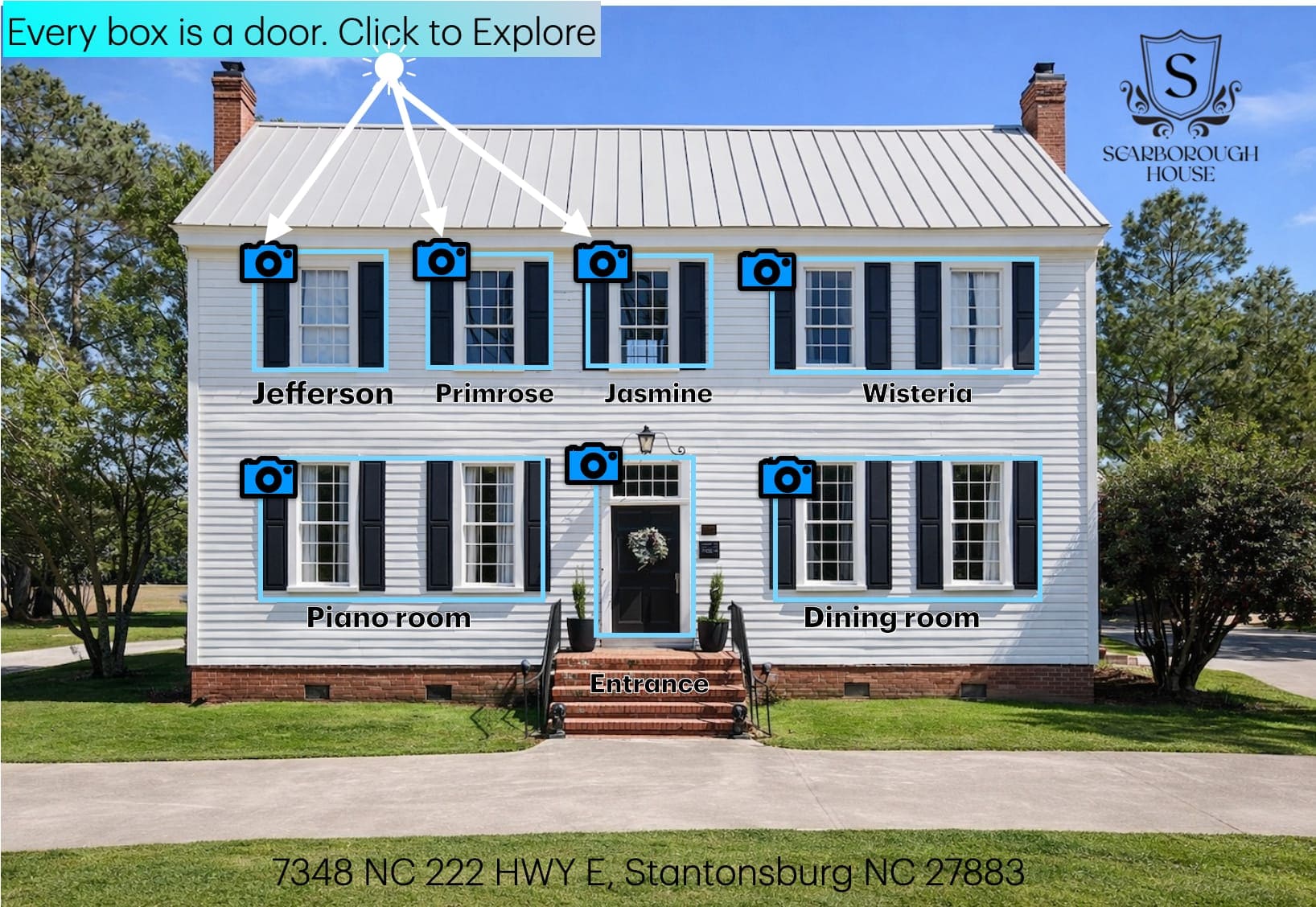
At Scarborough House in Stantonsburg, thirteen bedrooms across the estate give families an on-site option to discuss. The benefit is practical: you can plan around the people assigned to those rooms rather than treating every shared moment as a separate event.
Confirm room use, access periods, and bed arrangements for your specific booking. Do not assume that all guests can stay or that an extra night is included. A bedroom count is a starting point, not a complete rooming plan.
If some guests stay elsewhere, include them thoughtfully in the events they are invited to. On-site lodging should not create two classes of wedding guests. Be clear about arrival instructions and which gatherings are open to whom.
Make a meal plan people can understand
Write down each meal you intend to host. Name the person arranging it, the people invited, and the cleanup plan. A kitchen or dining area does not automatically mean food service is included. Use the vendor directory for provider research. Confirm any food and vendor requirements with the venue.
Keep the food plan proportionate to the moment. A casual meal does not need to compete with the reception. Ask about dietary needs early enough to act on them, and use one confirmed count rather than several family estimates.
- Arrival gathering: invited group, food arrangements, and start time.
- Wedding morning: who is eating before preparation and who manages it.
- Rehearsal meal: named host and confirmed attendees.
- Departure morning: whether anything is hosted or guests make their own plans.
Give information a clear home
Thinking about touring? Walking the grounds is the clearest way to judge fit. See tour times or check pricing first.
Choose one wedding information page or agreed message for the latest schedule. Keep private room assignments separate from public details. Relatives should be able to find what applies to them without reading through weeks of conversation.
Use a consistent time zone when stating event times. Tell guests which times are confirmed and who can answer a question. If a detail changes, update the main source first and then send the announcement. That avoids two competing versions.
Ask a willing family member to handle common questions for a defined period. Make sure they have the current information and know what they cannot approve. They should not be asked to change room assignments, event times, or vendor plans on the couple's behalf without permission.
Keep military and moving information separate
If a permanent change of station is part of a household's plans, direct them to Military OneSource's official moving guide. It provides moving tasks and support resources. The wedding schedule should not be used as a substitute for that guidance.
Ask guests to confirm their own journey arrangements, and avoid promising a ride nobody has organized. The useful wedding detail is the agreed arrival plan, not a general estimate copied into every household's message. Name who receives updates so a change does not become several conflicting conversations.
For the wedding, record the outcome you need: expected arrival, confirmed stay, and a contact for changes. Keep the underlying private service or travel documents out of shared wedding files.
Let the weekend have quiet moments
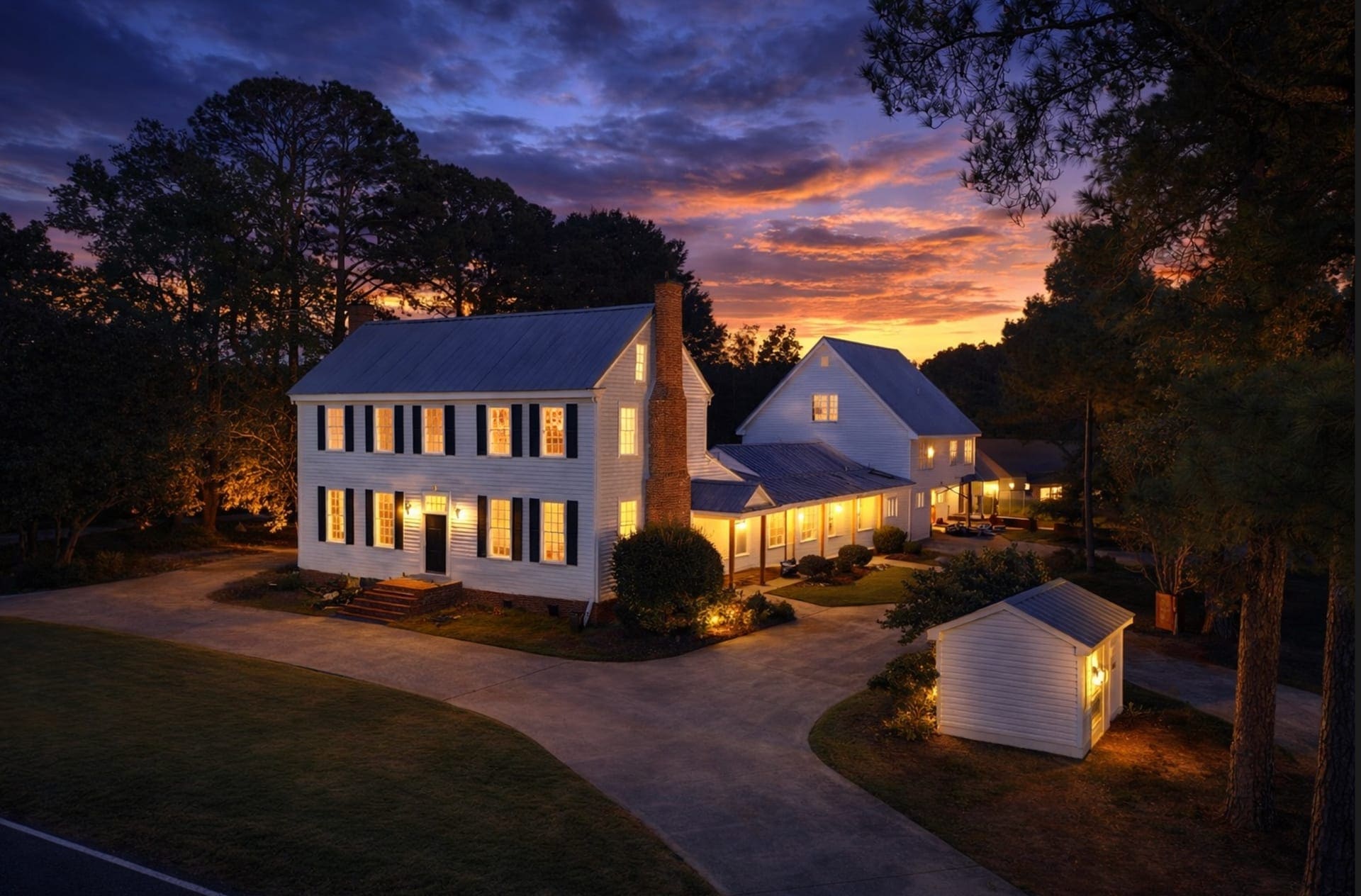
Not everyone wants the same amount of activity. Give people a way to rest without feeling they are missing a required event. The real wedding gallery can help you picture the setting. A weekend can feel generous because the pace is comfortable, not because there is always something on the schedule.
Protect the couple's preparation time too. Staying nearby does not mean relatives can enter every room or ask for decisions at any moment. Tell guests when the couple is unavailable and who can handle practical questions instead.
At Scarborough House, amplified sound ends at 11 PM. Discuss the evening plan with the venue and vendors, and share the relevant expectations with the overnight group. More time together does not mean unlimited amplified entertainment.
End with a simple departure plan
Confirm departure times, personal-item collection, and responsibilities for gifts or decor. Give each job an owner. The couple should not have to search every room or guess which relative took a box home.
Thank people without turning the last morning into another compulsory event. A clear goodbye, a calm packing plan, and the chance to finish a conversation may be enough. The point of bringing everyone together is to enjoy the company, not exhaust it.
Explore a weekend built around your people
Before sending the final weekend note, have someone outside the planning pair read it. Ask them what they think they are invited to, where they would look for a room answer, and who they would contact with a change. If they have to guess, make the wording clearer before the message goes to everyone.
This is a useful test of the plan itself. Your guests should not need the whole backstory to understand the next step. A warm welcome and a clear instruction can exist in the same sentence.
Bring your household list and the moments you want to share. We can help you understand the estate spaces, overnight arrangements, and practical boundaries of a Stantonsburg celebration. Book a tour of Scarborough House and picture your family weekend with us.