
SEO Gets You In the Conversation. Paid Ads Get You Seen Twice.
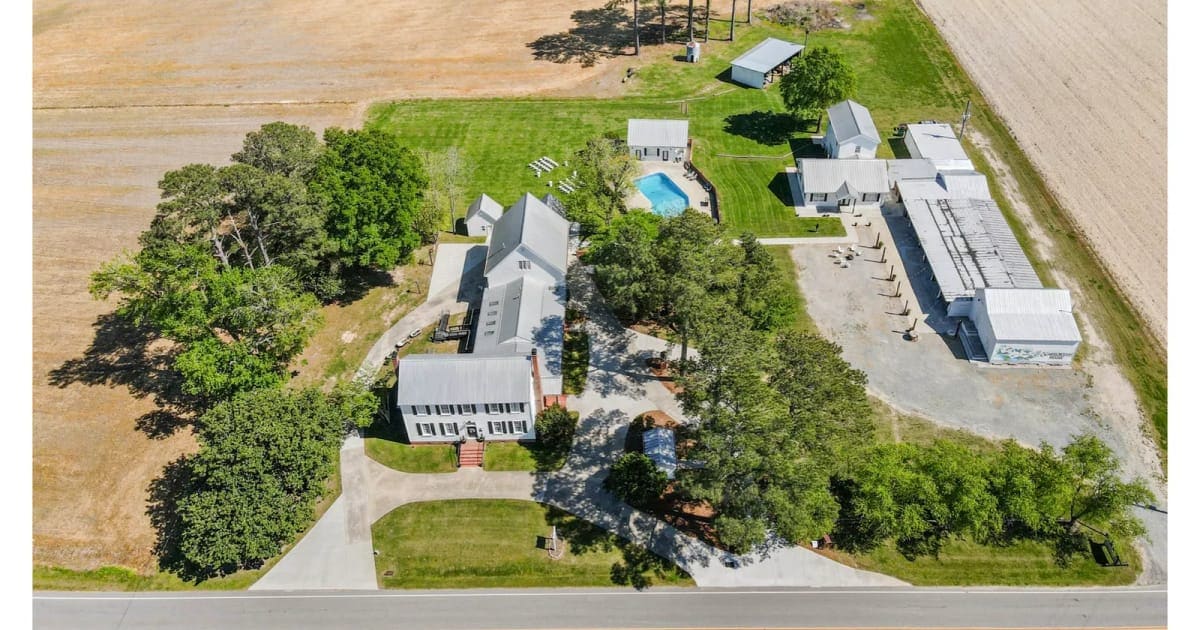
We have spent most of this year doing SEO the hard way. Real schema markup, a real sitemap pipeline, a blog that actually gets indexed, IndexNow pings so Google hears about new pages the same day, image sitemaps, internal linking on every page, the whole list. It works. We rank for things a five-year-old wedding venue website usually should not rank for.
And then a competitor with a worse website, thinner content, and no schema at all shows up above us anyway, because they are running a paid ad. That is not a flaw in the system. That is the system. So this month we stopped treating paid search as optional and built the tracking to run it properly, alongside the SEO work instead of instead of it.
SEO is the long game. Paid is the fast pass.
Here is the honest way to think about it if you run a venue: SEO is standing in the regular line at the park. You will get to the front eventually, and once you are there you stay near the front for a long time, because Google trusts pages that have earned trust over months. Paid search is the fast pass. You pay, and you walk straight to the front of that same line, right now, for exactly the keywords you choose.
It is not a cheat code in the sense of breaking a rule. It is completely legal, completely transparent, and every venue owner has access to the same fast pass line we do. Most just are not using it, or are using it without knowing whether it actually produces a booked wedding. That second part is the part we fixed this week.
The problem with running ads blind
Plenty of small venues run a Google Ads campaign, see the spend, see a rough click count, and stop there. That tells you what a click cost. It tells you nothing about whether that click became a lead, whether that lead toured, or whether that tour became a booked wedding. Without that chain, you cannot tell the difference between an ad that is working and an ad that is just burning money efficiently.
We treat our own pricing and tour booking pages the same way we would treat a checkout flow on an ecommerce site. Every stage needs a name, a number, and a way to trace a person through it.
What we actually instrumented this week
Thinking about touring? Most couples know within the first ten minutes on the grounds. See tour times or check pricing first.
Google Ads conversion tracking, tied to a real database row
We set up a dedicated conversion action for open house registrations and wired the conversion event to fire only after our server confirms a real signup, never on a button click or a form validation error. The event carries the registration's own database ID as the transaction ID, so a page refresh or an accidental double submit cannot inflate the numbers. If Google Ads says we got a conversion, we can pull up the exact person who registered.
Click fraud protection
Small venue budgets get eaten alive by bot traffic and competitor click fraud faster than almost any other business category, because the cost per click on wedding venue keywords is high and the daily budgets are small by comparison. We installed ClickCease site-wide to flag and block invalid clicks before they burn through the budget, so the campaign spend actually reaches real couples.
Heatmaps and session recordings
Conversion tracking tells you that someone did not convert. It does not tell you why. We added TruConversion across the site so we can watch actual anonymized sessions on the pages that matter most right now, the homepage, the pricing page, and the tour booking flow, and build a funnel view of exactly where people are dropping off between landing on the site and requesting a tour.
A redirect that does not break attribution
We also cleaned up an old subdomain that had been quietly absorbing ad-click traffic and pointed it at the current open house page, making sure the redirect preserves the tracking parameters Google Ads needs to credit the click. A broken redirect is an invisible leak. Nobody notices a leak in an attribution chain until they go looking for one, so we went looking before the campaign launched instead of after.
The funnel we are actually watching
Every one of the tools above feeds the same four-stage funnel, and it is the same funnel whether a lead comes from organic search, a paid ad, or someone finding us on Instagram:
- Traffic to lead. Someone lands on the site and submits a form, whether that is the open house registration, a tour request, or a chat with our AI assistant on the site.
- Lead to toured. The lead actually shows up for a tour, in person or by video.
- Toured to booked. The tour converts into a signed contract.
SEO and paid ads only compete with each other at the very first stage, getting a stranger to land on the site in the first place. After that, they are judged by the exact same yardstick: did the traffic turn into a real, on-site wedding. A channel that produces cheap clicks and zero tours is worse than a channel that produces expensive clicks and three tours a month. You cannot tell those two apart without tracking the whole chain, which is why we built it end to end instead of stopping at "we ran an ad."
Why we are not choosing one over the other
SEO compounds. A blog post we publish today keeps working in eighteen months without us touching it again, and the schema, sitemap, and internal linking work behind it makes every future post rank faster. Paid ads do not compound the same way; the moment the campaign stops, the visibility stops with it. But paid ads are also the only lever that can put us in front of a couple searching this exact week, for an open house that only happens this weekend. SEO cannot manufacture urgency. Paid can.
Running both, and actually measuring both against the same booked-wedding number, is the only version of this that makes sense for a venue our size. Anything less is either wasting ad spend we cannot prove is working, or leaving organic ground uncontested to venues willing to put in less work than we already have.
If you run a venue and want to compare notes on any of this, from the ClickCease setup to how we structure the funnel tracking, reach out. We would rather trade real numbers with another owner than guess in isolation, and if you have not seen the rest of what we have built, the Tech Talk archive has the full paper trail.