
Which Wedding Traditions Should You Keep, Change, or Skip?
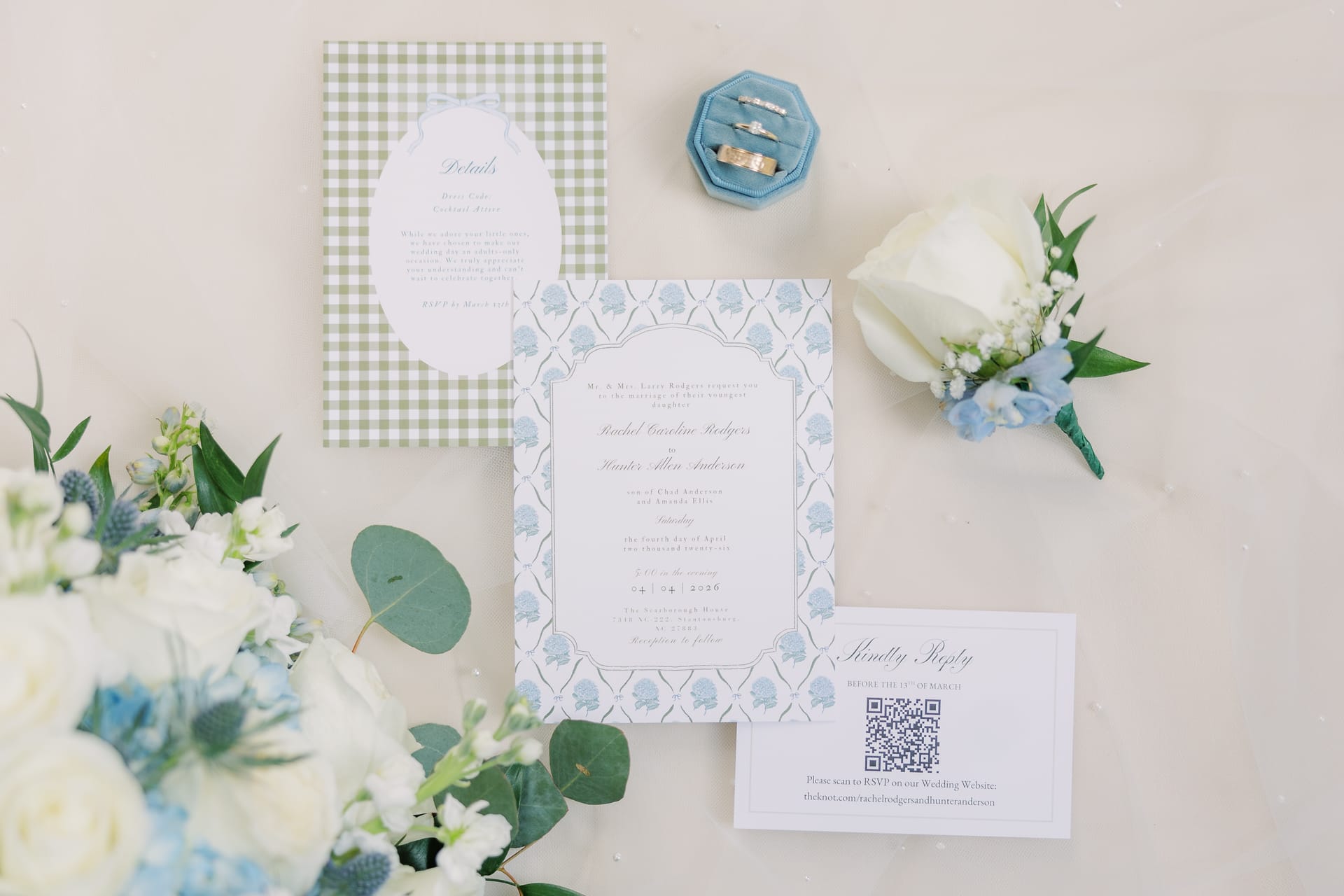
Wedding traditions can be a useful starting point, not a checklist. Keep the parts that feel meaningful to you, adapt the ones that do not quite fit, and leave room for the people and practical needs that matter on the day.

Begin with the reason behind the tradition
Before deciding whether to include a custom, ask what it is meant to do. Is it a way to honor family, bring guests together, or mark a transition? If that purpose matters but the familiar format does not, keep the meaning and change the activity. If it adds stress without meaning to you, it is fine to skip it.
Traditions you can make your own
Thinking about touring? Most couples know within the first ten minutes on the grounds. See tour times or check pricing first.
Clothing and wedding-party roles
Choose attire that feels comfortable and true to the people wearing it. A wedding party does not need to fit one gender pattern or wear identical outfits. Share the color, formality, and budget expectations early so everyone can make an informed choice.
The meal and the guest list
A seated meal is one option, not a requirement. Compare formats by the experience they create and the full costs involved, including staffing, rentals, service, and setup. A buffet or food truck is not automatically less expensive, so get a complete quote before choosing. Set the guest count before booking food or rentals because that number affects several parts of the budget.
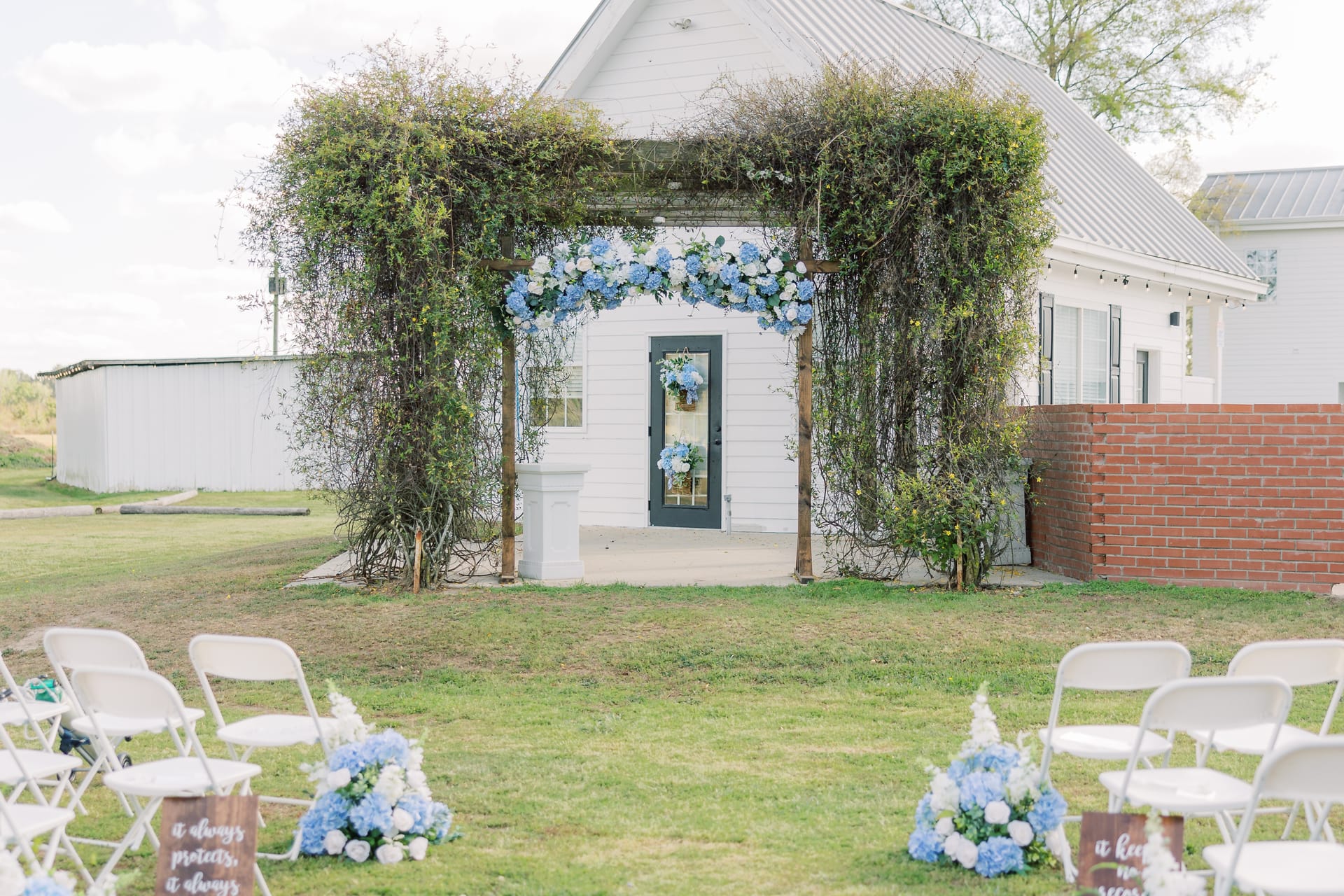
Flowers, the bouquet toss, and other reception customs
Keep a bouquet toss, replace it with a toast or another activity, or leave that part of the reception open. The same goes for speeches, dances, and other familiar moments. Tell guests what to expect in the program, and make sure any activity is comfortable for the people involved.
The timeline
A longer celebration can create room for a welcome, ceremony, dinner, and time together without making every moment a formal event. Check the venue's schedule and sound rules before you build the evening around a late dance set. At Scarborough House, amplified sound ends at 11 PM, so plan the music and final dance around that cutoff.
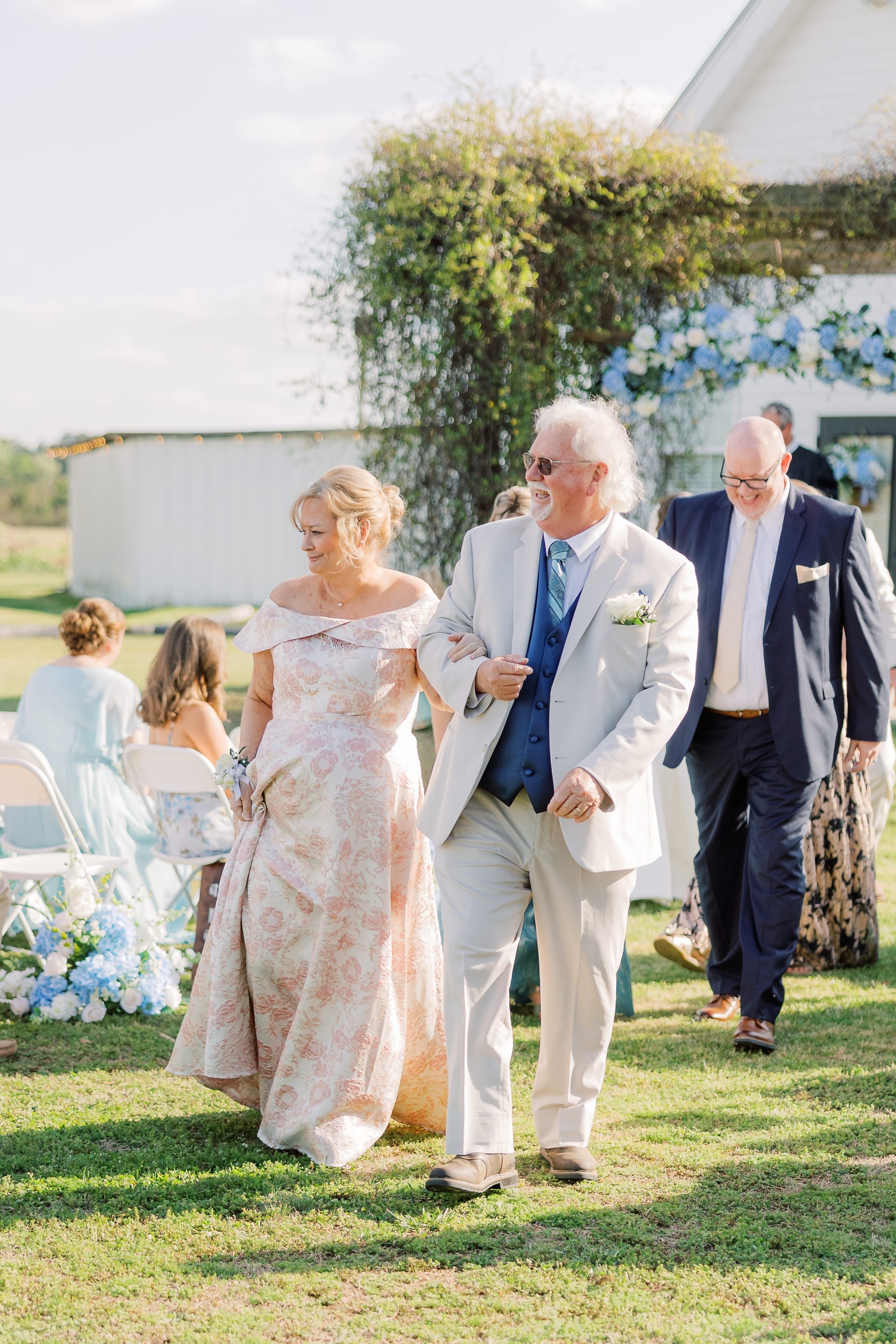
Make the decisions together
Write down a few non-negotiables, then decide who needs to be part of each choice. Give family members a chance to share ideas without making them responsible for the final plan. For a multi-day celebration, a weekend format can make space for different gatherings; our guide to wedding weekends and traditional one-day weddings can help you compare the timelines.
When you are ready to see how your priorities fit a real setting, schedule a Scarborough House tour and bring your questions about timing, spaces, and the 11 PM amplified-sound cutoff.