
Why Venue Tours Slow Down at the End of Summer
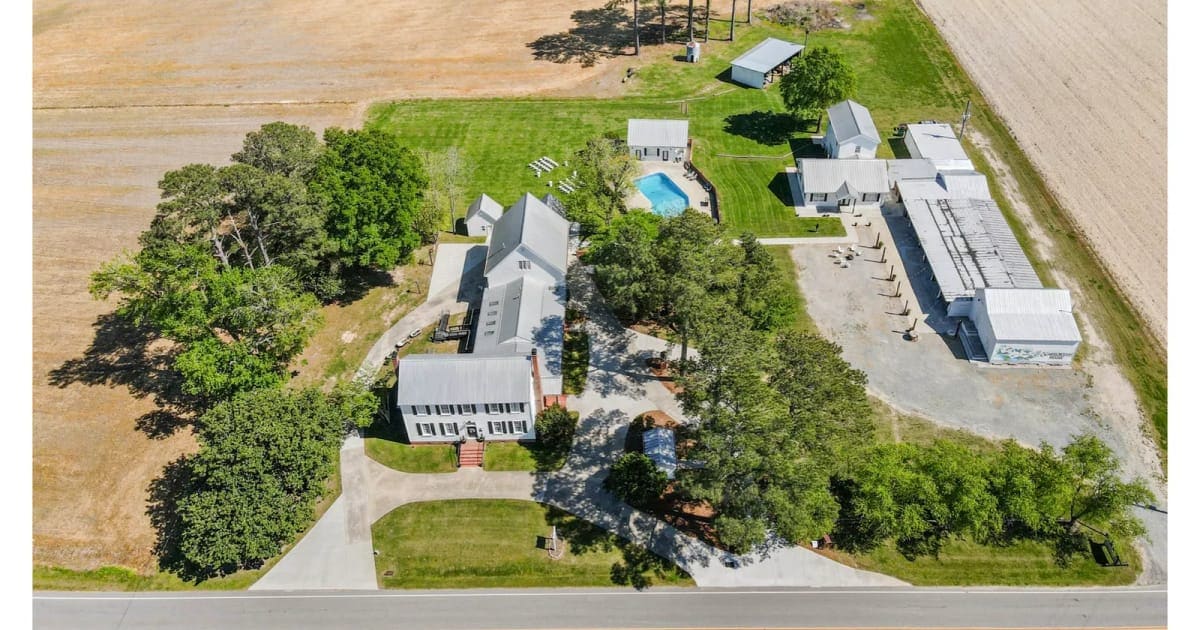
September can make a wedding venue owner question everything.
The calendar is full of weddings. The team is busy. The grass still needs cutting, the chairs still need moving, and somebody is always looking for an extension cord. Yet the tour calendar can suddenly look thinner than it did in June or July.
Jenny Mezger at Springhouse Farms and I were comparing notes about that exact feeling. A strong summer can make a quieter stretch feel like a warning. It is easy to look at a few open tour slots and wonder whether the market changed overnight.
Most of the time, it did not. The season changed.
Wedding season and tour season are not the same season
Wedding venues operate on two calendars at once. One calendar is the season when weddings are happening. The other is the season when newly engaged couples are actively choosing a venue.
Those calendars overlap, but they do not move together.
Late summer and early fall can be among the busiest periods for executing weddings. Those couples made their venue decisions months, and often more than a year, earlier. At the same time, the next large wave of engaged couples has not fully arrived. Holiday proposals will begin later in the fall, followed by research, inquiries, tours, and bookings.
That creates a natural gap. The venue can be operationally busy while new tour traffic feels slow.
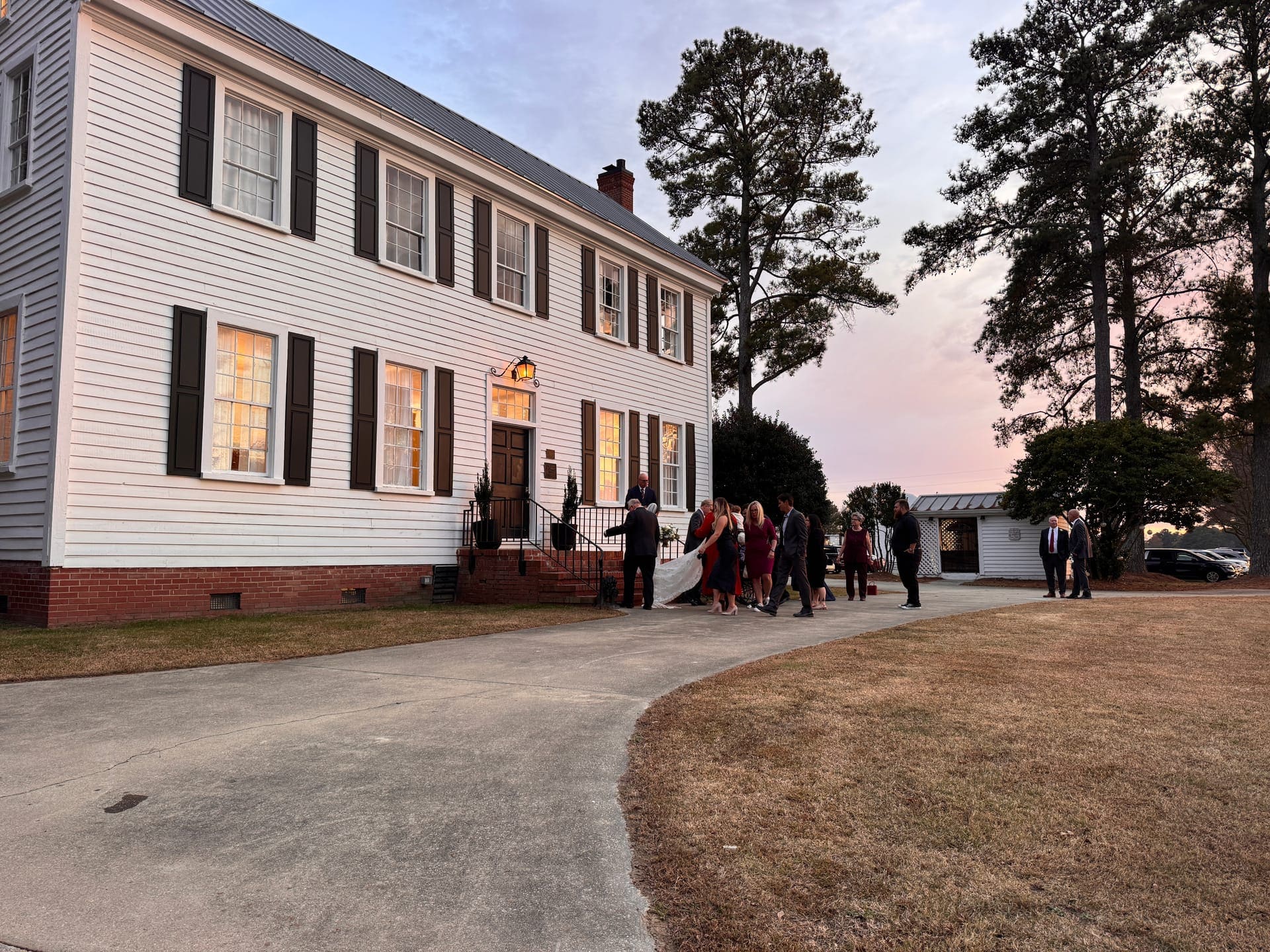
Do not confuse a cycle with a crisis
A quiet week is data, but it is not enough data to rewrite your entire business.
Look at the pattern across years. Which months produce inquiries? Which months produce qualified tours? Which months create actual bookings? Those are three different measurements. A flood of low-intent inquiries is not necessarily more valuable than a smaller group of couples who are ready to choose a date.
The better question is not, "Why did my phone stop ringing this week?" The better question is, "Where are we in the normal decision cycle, and are we ready for what comes next?"
At Venue Owner's Corner, we write about the operating side of this business because ownership can feel isolating. A slower tour calendar is harder to interpret when you only see your own numbers. Once owners compare calendars, the pattern becomes easier to recognize.
Use the quiet space before it disappears
If your tours have slowed, this is not a permission slip to stop. It is a preparation window.
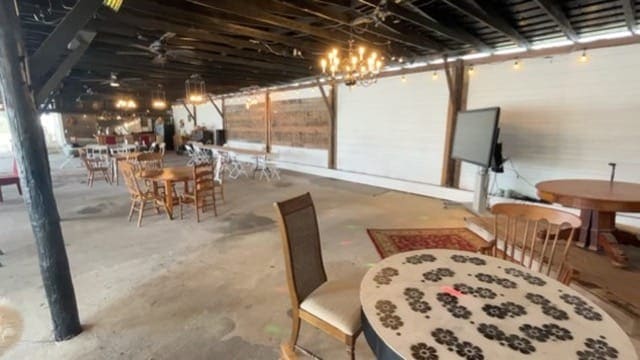
Walk the same path a touring couple will walk. Start at the road. Check the parking arrival, the front entrance, the restrooms, the ceremony route, the reception room, and the overnight spaces. Notice the worn chair, the burned-out bulb, the loose sign, and the corner that has become storage during wedding season.
Then look at the digital version of the same tour. Are your current photos accurate? Are prices and packages easy to understand? Does your website answer the questions couples ask before they ever contact you? Is your inquiry process working on a phone?
Introducing Venue Owners Workshop, or VOWS
This conversation with Jenny is part of why we are forming a new owner group called Venue Owners Workshop, shortened to VOWS.
VOWS is being built around practical conversations between people who operate real venues. Not polished conference-stage advice. Not generic motivation. We want to talk about the questions that show up when the weddings are real, the payroll is real, and next month's bookings matter.
How do you know whether a slow month is seasonal or structural? How do you protect your best dates without panic discounting? How do you finish the current wedding season while preparing for the next tour season? How do owners share what is working without pretending every market is identical?
Over the next two weeks, Jenny and I will continue this opening VOWS series. The next post covers how to run weddings and prepare for tours at the same time. The final post looks at seasonal pricing and why a quiet phone should not determine the value of your best Saturdays.
The end of summer is not the end of demand. It is the handoff between two different parts of the venue calendar. Use it well.