
The Emotional Reality of Owning a Wedding Venue
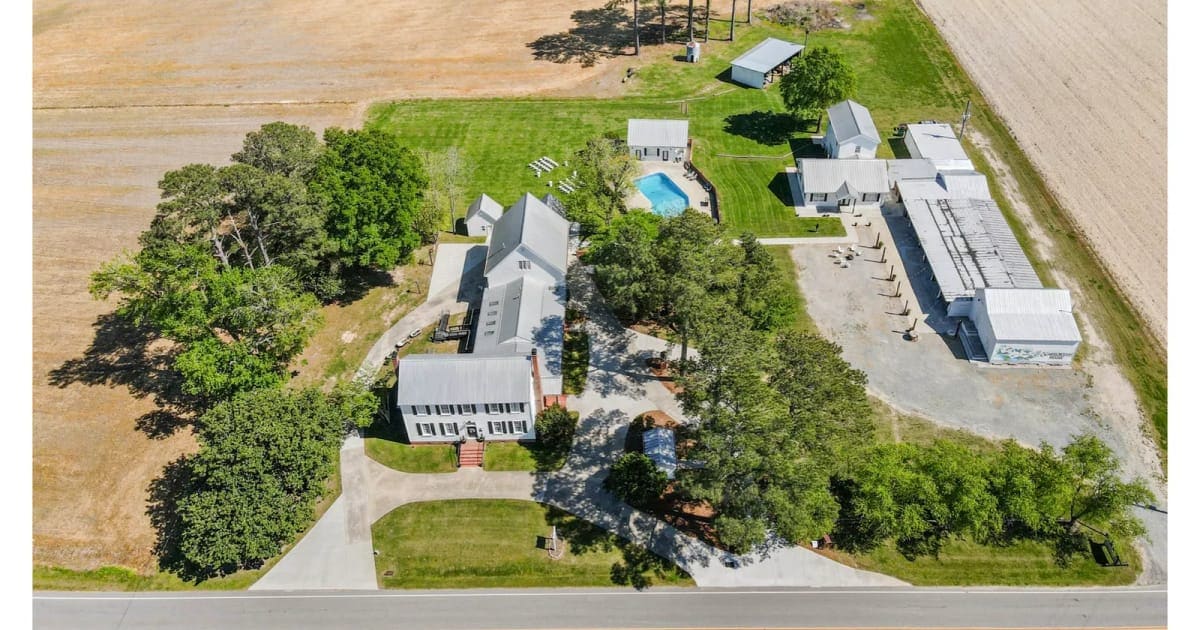
There is a specific kind of silence that happens in January when you own a wedding venue. Not the peaceful kind. The kind where you open your inbox and there is nothing there except a Google Alert about a competitor and a coupon from a supplier you haven't paid yet. You check the inquiry form on your website. You refresh it. Nothing. You tell yourself it's fine, that engagement season is just getting started, that January is always slow, and then you go back and refresh the form again anyway.
That is the part nobody puts in the brochure.
I'm writing this because I think it's important. Not to scare anyone off from buying a venue. Anthony and I built something at Scarborough House that we are proud of, and we genuinely love what we do. But the version of venue ownership that circulates on social media and in investor decks is heavily edited. People see the sparkler send-offs and the barn lights and the five-star reviews. They don't see the spreadsheet you have open at midnight trying to figure out if March is actually going to be okay.
So here is the honest version. If you are thinking about buying a wedding venue, you deserve to read this first.
The Feast-or-Famine Rhythm Is Real and It Never Fully Goes Away
The wedding industry has two speeds: overwhelmed and worried. There is not a lot of middle ground, at least not in the early years. When you are booked, you are scrambling to coordinate vendors, confirm timelines, handle last-minute changes, and make sure the rehearsal dinner does not run into the setup window for the actual wedding. When you are not booked, you are staring at your calendar wondering if the couple who toured two weeks ago is going to come back or quietly book somewhere else.
The hardest thing about the slow periods is that there is nothing to do except wait and market. You can send follow-up emails. You can post on Instagram. You can freshen up your website copy. But at the end of the day, couples book when they are ready to book, and no amount of urgency on your end changes their timeline. Learning to sit with that uncertainty is one of the real skills of running a venue, and nobody teaches it to you.
What I did not understand before we opened was how long the booking cycle actually is. People do not decide to get married, look up venues, tour, and book in the same week. The gap between first inquiry and signed contract can be weeks. Sometimes months. So when you see a spike in form submissions in late December, you are not going to feel the revenue from that spike until spring, or sometimes summer. You are always running on a delay, always operating on information that is at least a season old by the time it hits your bank account.
Winter Tours for Summer Weddings
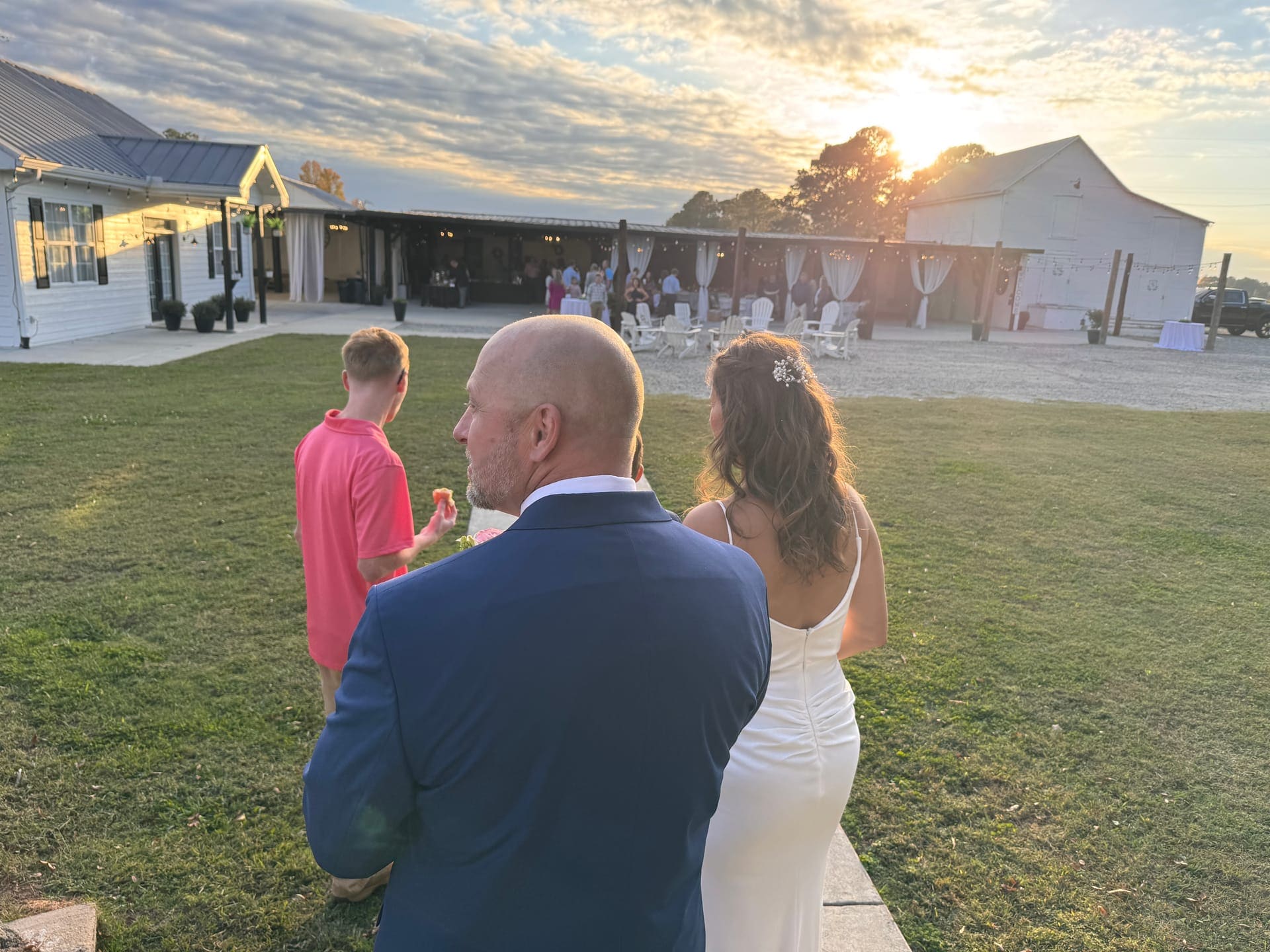
Here is a scene that captures it perfectly. It is a Tuesday in February. The grounds at Scarborough House look like what they are: a historic estate in eastern North Carolina in the middle of winter. The trees are bare. The grass is the color of old cardboard. There is a cold front moving through and it is forty degrees with a wind that makes it feel like thirty-two.
And I am walking a couple around the property, both of them wearing coats they didn't think they'd need for a venue tour, trying to help them imagine a July wedding in ninety-degree heat with two hundred guests on the lawn and Edison bulbs strung overhead and the pavilion full of dancing.
That is the job in winter. You are selling a vision of something that does not exist yet. The venue does not look the way it will look in June. The energy is not there. The flowers are not there. You are asking someone to hand you a significant amount of money based on their imagination and your ability to help them see what you see. Some people are great at that mental leap. Others need a lot more from you.
And you are doing this while running the actual business. Vendor relationships, marketing, accounting, site maintenance, the slow drip of administrative work that never actually ends. The tours are not a break from the work. They are on top of it.
The Gap Between What People Think You're Doing and What You're Actually Doing
You will have a friend, or a family member, or a former coworker, who follows you on social media and decides at some point that you have made it. They will DM you something like "you're killing it" and then go back to their regular job.
The version of your life they are seeing is the version you are showing them. The beautiful shots from real weddings. The five-star review you just got and felt the need to share. The moment a couple announced their booking on Instagram and tagged you. What they are not seeing is the conversation you had with Anthony the night before about whether to keep the event planner on retainer. Or the weekend you had to handle a vendor no-show with about forty minutes of notice. Or the February where you had exactly one inquiry and it went cold.
I'm not complaining about this. It is just the reality of any small business with a visible brand. The public version is always the highlight reel. But it creates a strange kind of loneliness when you are in a hard stretch, because from the outside it still looks like everything is working.
The people who actually understand your business are usually other venue owners. Which is one of the reasons I think the venue community matters so much. When you can call another owner and say "February is killing me, is this normal?" and they say "yes, absolutely, here's what worked for us in year two," that is worth a lot. It is why we built the venues we love network and why we talk openly about this stuff on this side of the website.
Engagement Season and Why It Matters More Than You Think
Thinking about touring? Most couples know within the first ten minutes on the grounds. See tour times or check pricing first.
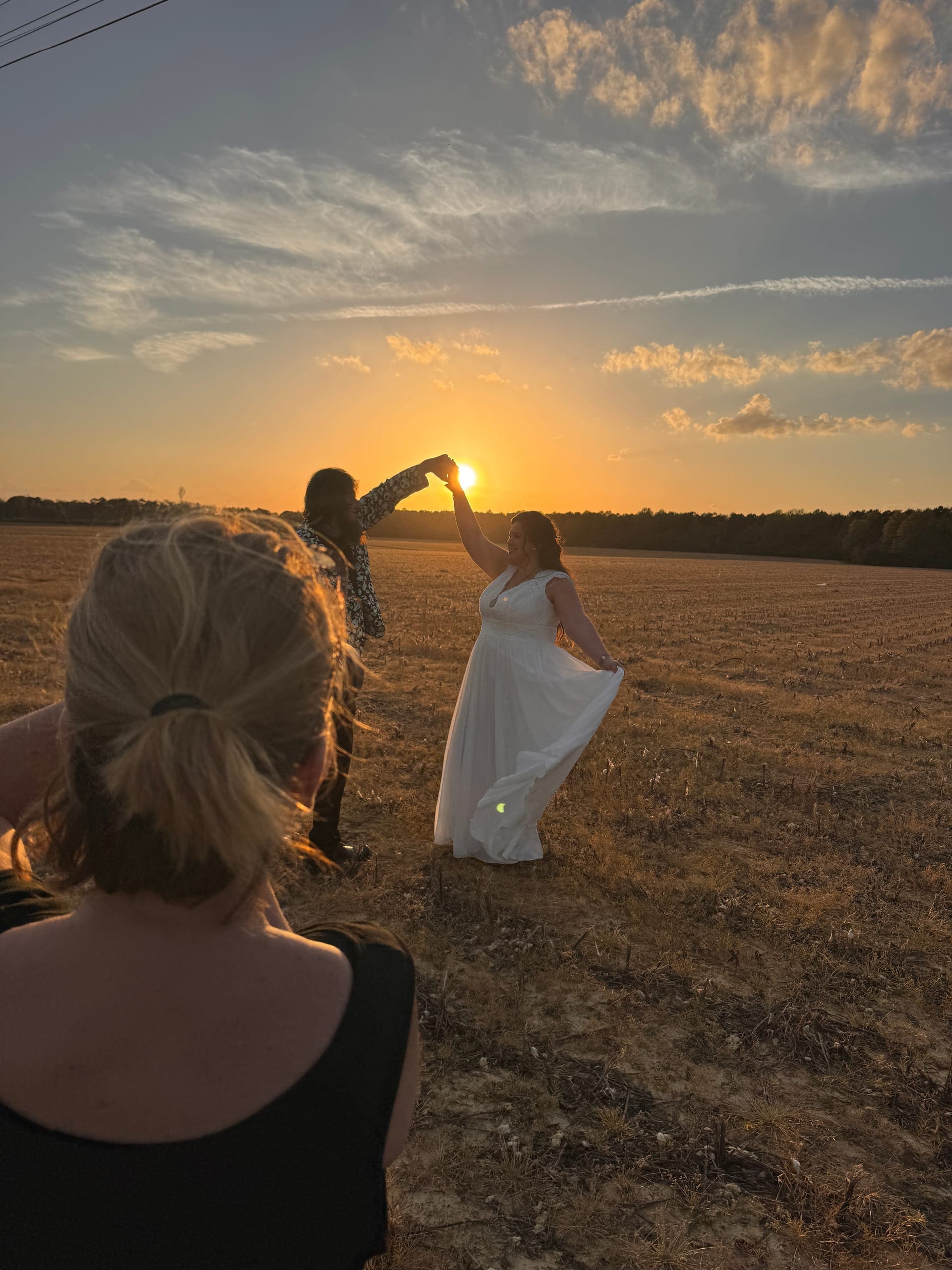
The industry has seasons, and the most important one for venue owners is not summer. It is engagement season, which runs roughly from Thanksgiving through Valentine's Day with a second smaller wave in the spring. This is when a large percentage of proposals happen, and proposals are what generate inquiries.
If you have a strong engagement season, you are going to have a decent summer. If engagement season is soft, you are going to spend a lot of time in the spring chasing conversions that just aren't there yet.
The problem is that engagement season as a venue owner feels almost entirely passive. You can make sure your website is in good shape. You can make sure your pricing page is clear. You can run some targeted ads. But ultimately the proposals are happening in people's private lives and you have no leverage over that calendar. What you can control is whether you show up fast and well when someone submits a form at 9pm on Christmas Eve because she said yes that night and immediately started googling venues.
Speed matters more than most venue owners realize. A couple in the glow of a fresh engagement is emotionally primed to book. Two weeks later that energy has settled down and they are in research mode. Six weeks later they have toured four places and your differentiators are blurring together in their memory with everyone else's. The window where you can really connect with them and make an impression is shorter than you want it to be.
The Expo That Didn't Do What I Thought It Would
Early on, we did a bridal expo. I will not name it because I do not want to throw anyone under the bus, but it was one of the larger regional ones and it cost real money to participate. We set up a booth, brought printed materials, talked to hundreds of people over a weekend. By the end of the weekend I was genuinely optimistic. Foot traffic was high. People seemed engaged. We collected a lot of contact information.
And then almost none of it converted.
What I learned, the hard way, is that bridal expo traffic and search traffic are fundamentally different. Someone who finds your website by searching "wedding venues with lodging near Raleigh" is a buyer. They know what they want, they have self-selected into a specific category, and they are researching with intent. Someone walking through a bridal expo is often just someone who got engaged recently and wants to spend a Saturday feeling excited. They are not necessarily ready to book anything. They are collecting brochures. Some of them will book something eventually, but the conversion timeline is much longer and the cost per acquisition ends up being much higher than you'd expect.
That was a formative lesson for us. We shifted most of our marketing energy toward search visibility and organic content, because the people who find us that way tend to be much closer to a decision. The expo felt like momentum. The website traffic turned out to be the actual business.
Booking Anxiety Is a Permanent Part of the Job
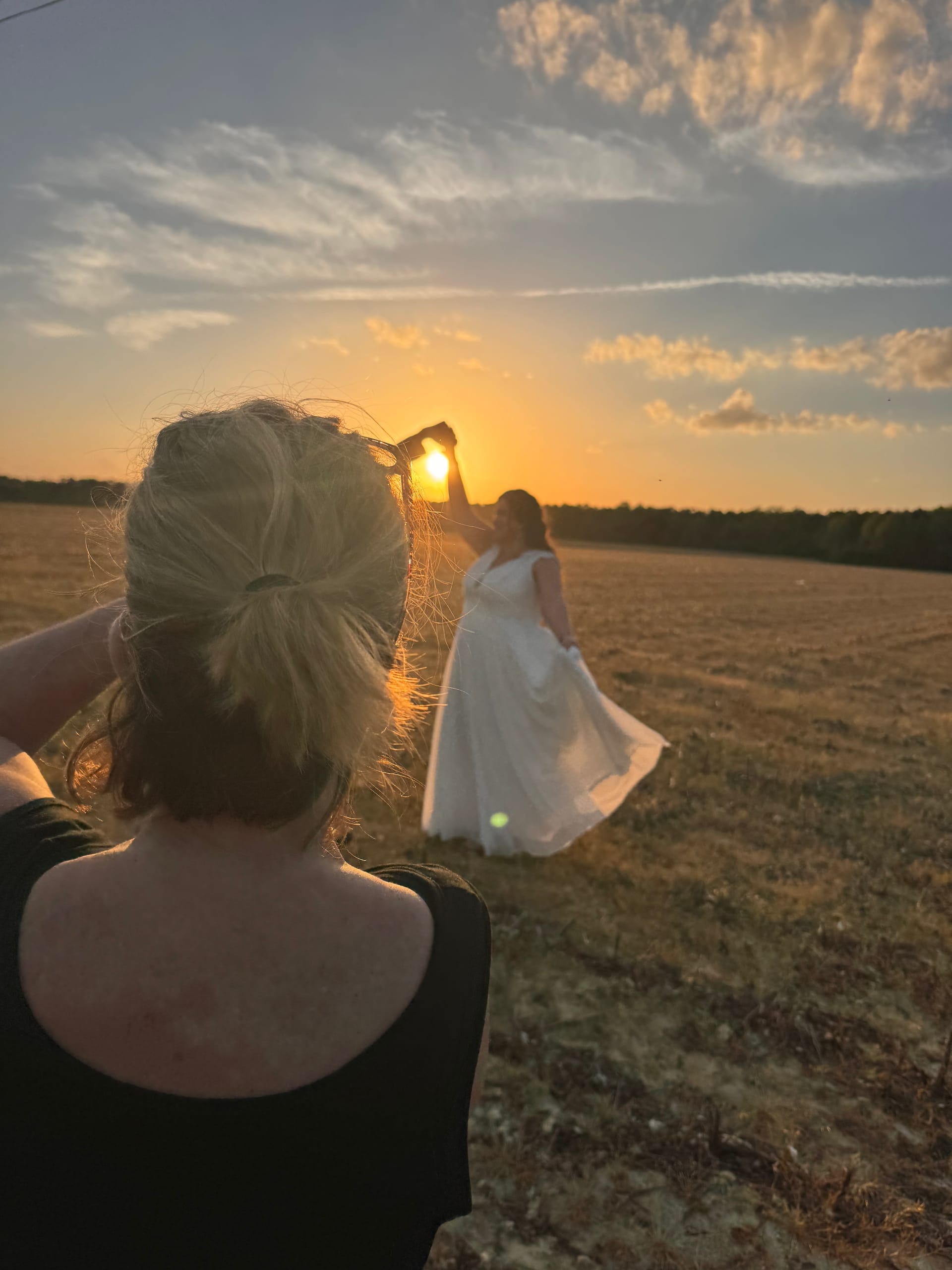
I want to be honest about this because I think a lot of people assume it goes away once you hit a certain milestone. Once you have ten weddings booked. Once you are in your second full season. Once you have enough great reviews that you feel established. The anxiety changes shape, but it does not disappear.
In year one, you are anxious about whether anyone will book at all. In year two, you are anxious about whether you can replicate what worked. In year three, you are watching your competitor who just renovated and wondering how their pricing compares to yours. There is always something. Running a venue means running a business, and businesses carry uncertainty by definition.
What changes is your relationship to the uncertainty. You get better at distinguishing between the kind of slow that means something is wrong and the kind of slow that is just seasonal. You get better at reading inquiry quality versus quantity. You stop catastrophizing every quiet Tuesday and start trusting the patterns you have seen develop over time.
But I will not tell you there is a version of this where you feel completely settled and secure, because I have not found it yet, and I am not sure it exists. What there is instead is a kind of resilience that grows with every hard stretch you navigate. You know you have been here before. You know you got through it. That is different from confidence, but it is functional.
What This Means If You Are Thinking About Buying a Venue
None of this is meant to talk you out of it. Genuinely. When a wedding comes together on a Saturday evening and the couple is exactly where they want to be, surrounded by people they love, on a property that you built with your own hands over five years, there is nothing else quite like it. The hard parts are real and they are worth acknowledging honestly, but so is the thing that makes the hard parts worth it.
What I want is for you to go in with clear eyes. Know that the revenue is seasonal and lumpy and that you will need reserves to cover the slow months. Know that your marketing will take time to compound and that most of your early bookings will come through relationships and referrals, not from strangers who found your ad. Know that the emotional weight of the job is real, that you will pour a lot of yourself into this and not all of it will be visible to the people around you.
And know that there is a community of owners who have been through it and are willing to talk honestly. We are trying to be part of that community with everything we publish in this section of the site.
If you are actively thinking about buying a venue or if you are already operating one and trying to figure out whether it makes sense to sell, we have pages specifically for both of those conversations. The Buy a Venue page covers what the actual acquisition process looks like from someone who did it. The Built to Sell page is for owners who are wondering whether their venue is actually in a position to attract a serious buyer.
Either way, feel free to reach out directly. This is not a pitch. It is a conversation, and we are genuinely happy to have it.