
Do Not Panic-Discount Your Best Wedding Dates
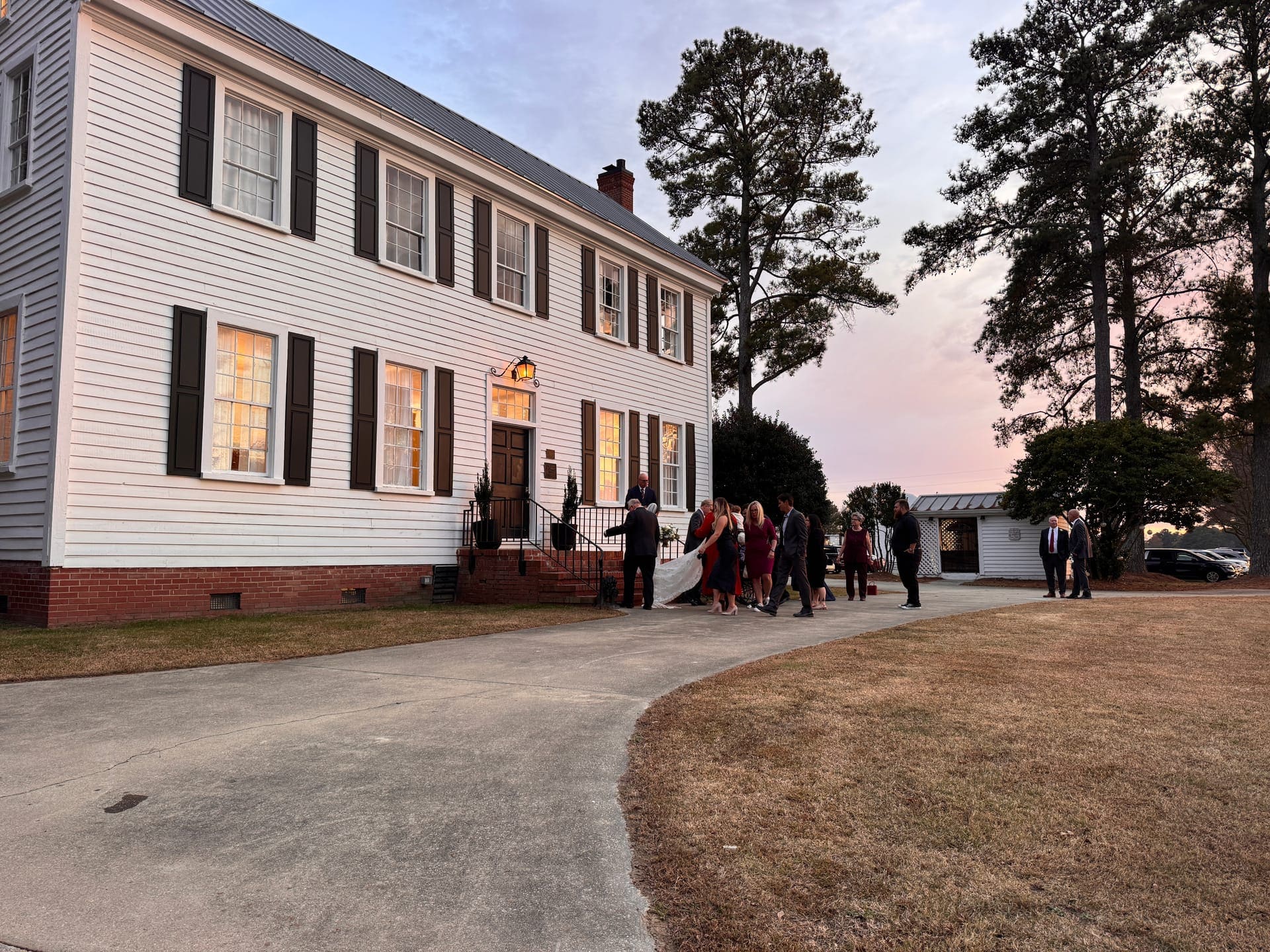
A wedding venue sells something that cannot be stored and sold later.
When a Saturday passes, that inventory is gone. This is why venue owners feel pressure when inquiries slow down. An empty future date can look like a clock counting toward zero.
That pressure is real. It is also exactly why pricing decisions need a system.
This is the third article in the opening series for Venue Owners Workshop, or VOWS, a new group we are forming around honest operating conversations between venue owners. We started with the seasonal gap between weddings and tours, then covered how to prepare for tours while wedding season is still active. Now we need to talk about price.
Your best date did not lose value because this week was quiet
A slow week in September does not automatically mean a prime Saturday next fall became less valuable.
Short-term inquiry volume and long-term date demand are related, but they are not the same measurement. Couples may not be touring this week because the next engagement wave has not reached the market. That says very little about how many qualified couples will want your strongest Saturdays once tour season accelerates.
Panic discounting uses today's emotion to price tomorrow's inventory.
Before lowering a price, ask what actually changed. Did the market reject the date after repeated qualified tours? Is the package unclear? Is the date unusually close? Has a regional condition changed? Or did the phone simply get quiet during a predictable seasonal gap?
Price the date, not just the building
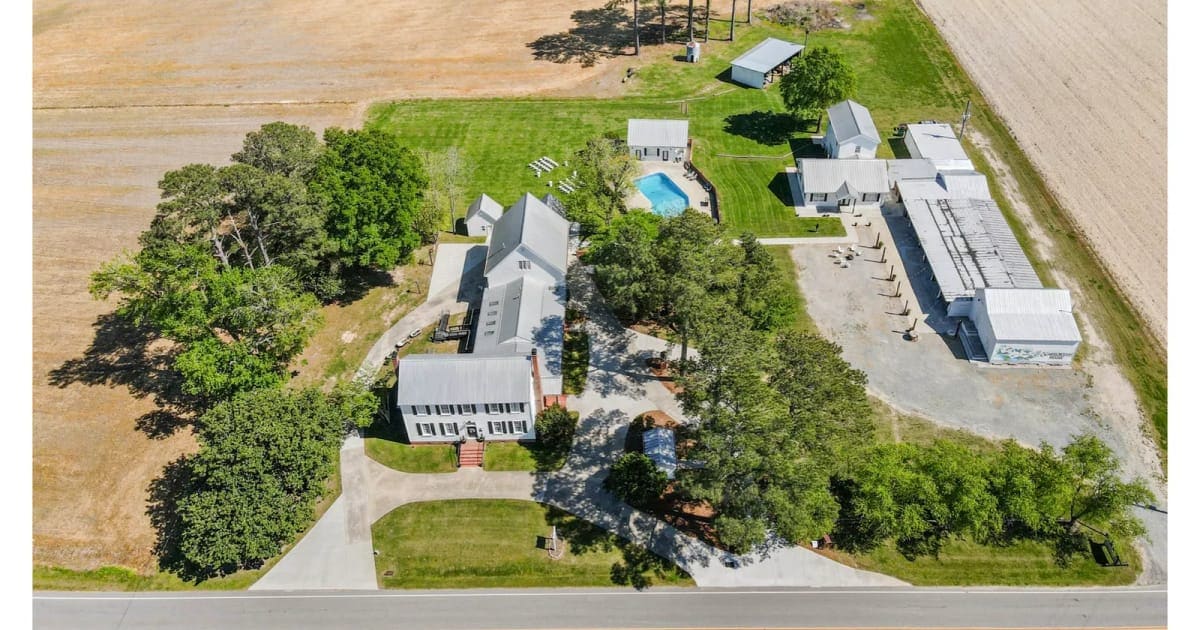
A Saturday in peak fall season is not the same product as a Wednesday in winter. The property may be identical, but the demand, staffing pressure, weather expectations, and opportunity cost are not.
Owners often choose one of two extremes. They keep one static price all year, which can leave strong dates underpriced. Or they slash slow dates so aggressively that buyers begin to question the normal price.
A better framework separates dates into clear demand bands. You might define premium Saturdays, standard weekends, lower-demand months, and weekdays. The exact numbers should come from your own history, market, expenses, and booking pace.
The important part is deciding the framework before a slow week makes the decision for you.
Add value before cutting deeply
When a date truly needs help, price is not the only lever.
Consider whether an added service, extra access time, included rental item, or simpler package would make the date easier to choose without teaching the market that your core offering was overpriced.
Added value still has a cost, so calculate it honestly. A bonus that creates significant labor can be more expensive than a measured price adjustment. The goal is not to hide the discount. The goal is to find the offer that helps the couple while protecting the venue's ability to deliver well.
Track booking pace by date type
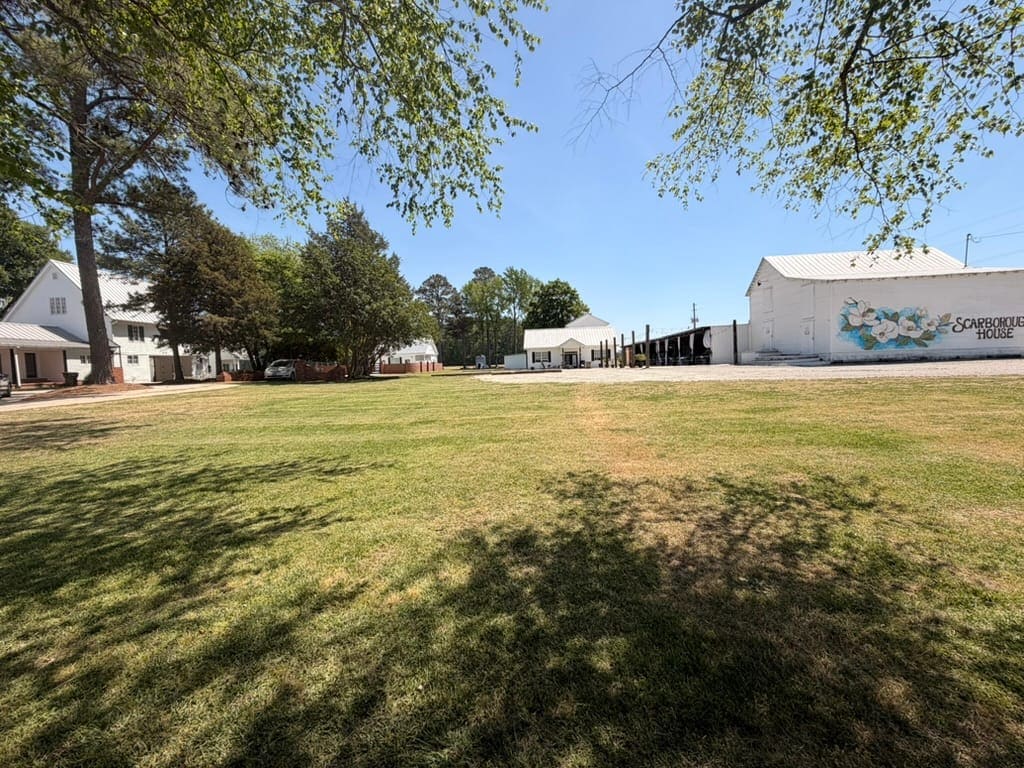
Thinking about touring? Most couples know within the first ten minutes on the grounds. See tour times or check pricing first.
Total inquiry count can hide the information you need.
Track qualified inquiries, tours, proposals, and bookings by month, day of week, and lead time. Compare premium Saturdays with winter weekends and weekdays. Watch how far in advance each category usually books.
This helps distinguish a normal seasonal pause from a real conversion problem. If qualified couples repeatedly tour and decline the same type of date, investigate the offer. If very few qualified couples are entering the market at all, changing the price may not solve the real problem.
The same discipline applies to your website. Pricing transparency can filter the wrong prospects and build trust with the right ones. The goal is not the highest possible inquiry count. The goal is enough qualified demand to sell the right dates at a sustainable price.
Set rules for close-in inventory
A date eighteen months away and a date eight weeks away should not trigger the same response.
Create a written close-in strategy. Define when you will reconsider a package, what costs remain fixed, what minimum protects the team, and who can approve an exception. This keeps negotiation consistent and prevents a stressful call from creating a promise the operation cannot support.
Rules do not eliminate judgment. They give judgment a floor.
What VOWS is for
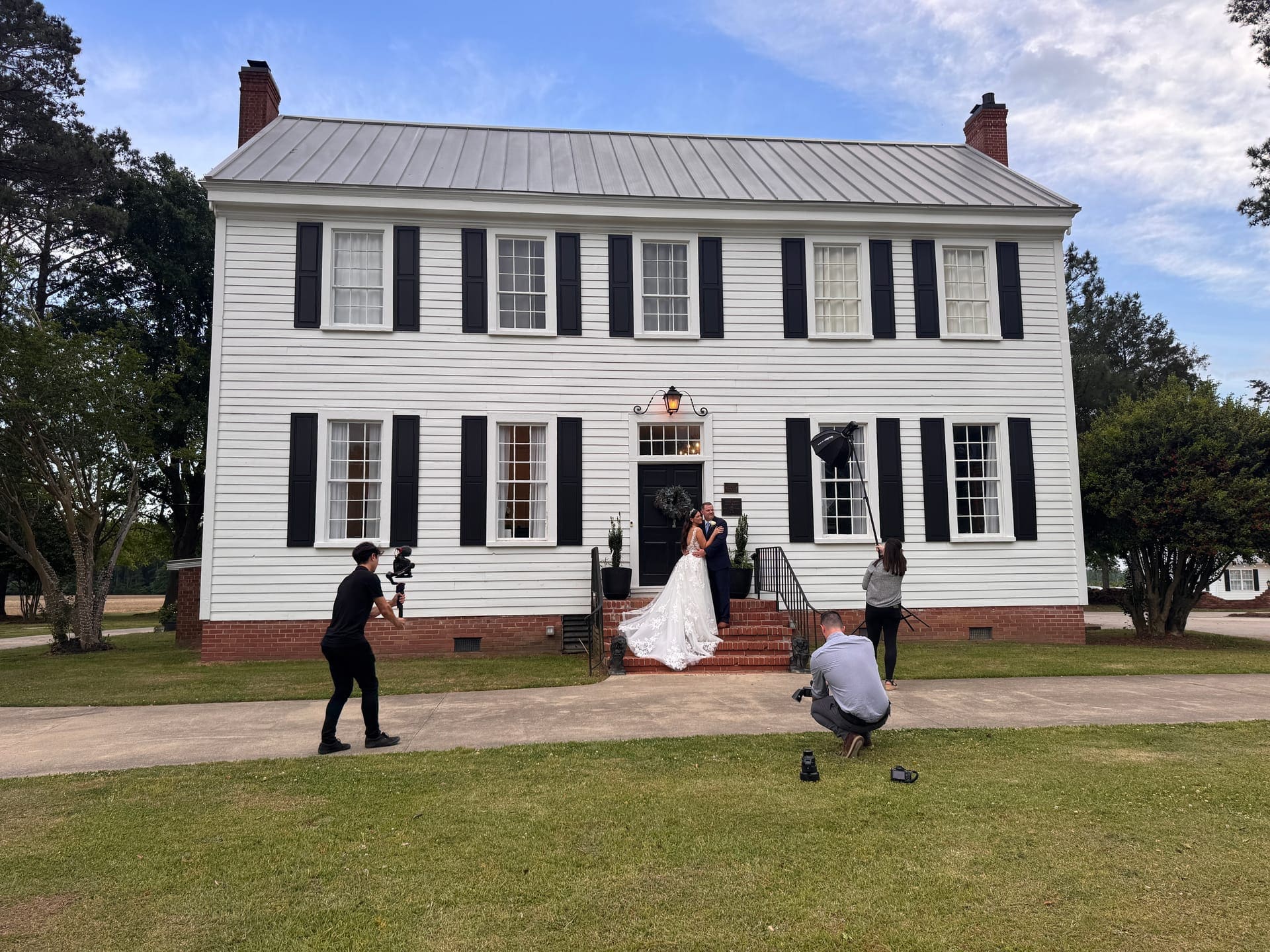
Venue ownership produces decisions that are hard to discuss in public. Pricing is one of them. Owners worry that sharing the question makes them look uncertain, while staying silent leaves everyone to learn the same lesson alone.
VOWS is being formed to make room for practical owner conversations about seasonality, pricing, maintenance, tours, technology, staffing, and the dozens of tradeoffs behind every wedding.
Jenny Mezger and I do not believe every venue should use the same price sheet. We do believe owners can make better decisions when they compare real patterns instead of reacting alone.
If this opening series sounds familiar, keep following Venue Owner's Corner. We will share more about Venue Owners Workshop as the group takes shape.