
How to Run Wedding Season and Prepare for Tours
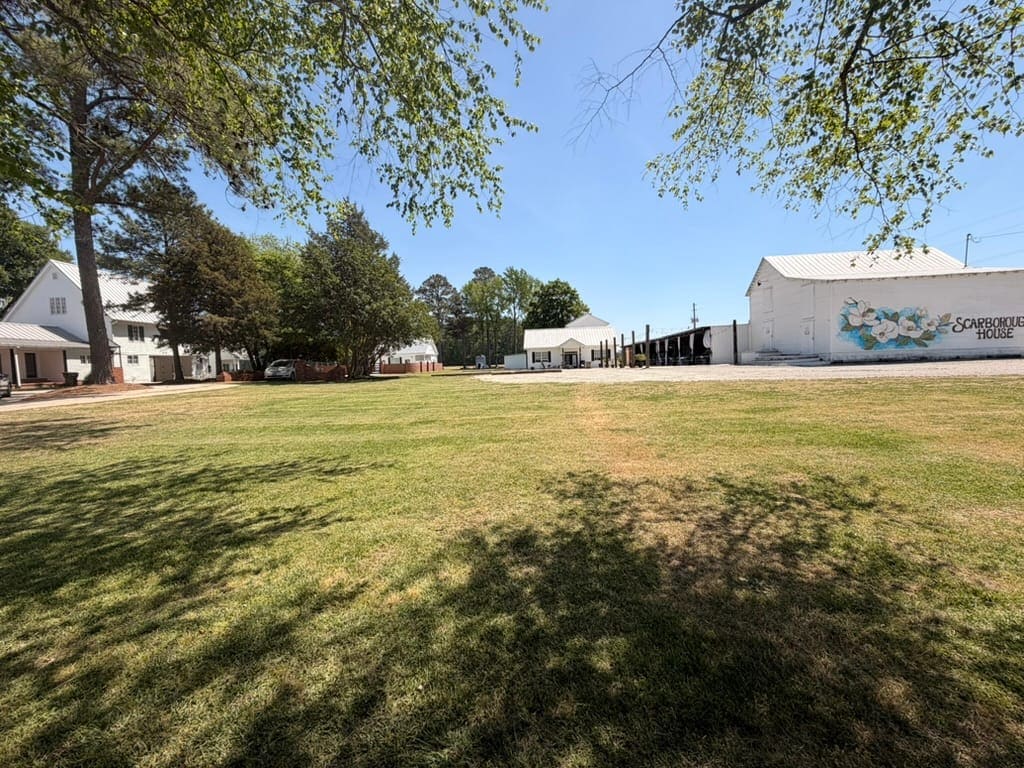
Wedding season does not politely end before tour season begins.
That is the real operating challenge. Venue owners are expected to deliver the wedding happening this Saturday while preparing for the couple who may tour next Tuesday and book a date eighteen months away.
When Jenny Mezger of Springhouse Farms and I started talking about the late-summer slowdown, we kept returning to the same point: a quiet tour calendar is only useful if you turn the available time into readiness.
This is the second article in our opening Venue Owners Workshop, or VOWS, series. In the first article, we explained why wedding season and venue-shopping season do not move together. Now comes the harder part: operating both calendars without letting either one suffer.
Separate event readiness from sales readiness
Most venue teams are good at event readiness. They know what must happen before guests arrive: clean the property, set the room, check the restrooms, manage vendors, and solve the surprise nobody put on the timeline.
Sales readiness is different. It asks whether a future couple can imagine their own wedding while another wedding is being executed.
A touring couple notices the details your event team has learned to work around. They see the faded directional sign, the stack of supplies behind a door, the chair waiting for repair, and the website photo that no longer matches the room.
Create two checklists. One protects this week's wedding. The other protects the next booking. Some tasks belong on both, but the purpose is different.
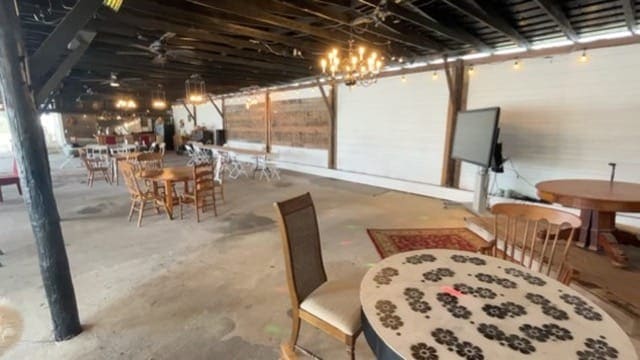
Protect a recurring owner block
If every open hour gets absorbed by the current event, future sales work will always be postponed.
Protect one recurring block each week for owner-level preparation. It does not need to consume an entire day. It does need to be real time on the calendar, not a task you hope to reach after everything else is done.
Use that block for work such as:
- Walking the full tour route as if you have never seen the property
- Reviewing unanswered inquiries and measuring response time
- Updating package language, availability, and frequently asked questions
- Checking mobile forms, confirmation emails, and tour reminders
- Choosing maintenance work that can be completed before holiday engagement traffic arrives
Scarborough House uses its own Tech Talk section to document the systems behind our website and operations. Your tools may be different. The principle is the same: the sales machine needs maintenance just as much as the physical property.
Build a tour route that survives wedding season
Tour routes often become complicated during active weddings. Rooms are occupied. Decor is in progress. Vendors are unloading. Couples may be rehearsing.
Plan a primary tour route and a wedding-day alternate. Decide which spaces can be shown without interrupting an event and which areas should be represented through current photography, floor plans, or a scheduled return visit.
Never make the current couple feel like their wedding has become a sales display. Their trust comes first. At the same time, do not improvise every tour. A defined alternate route helps staff protect privacy while still giving a serious prospect a useful experience.
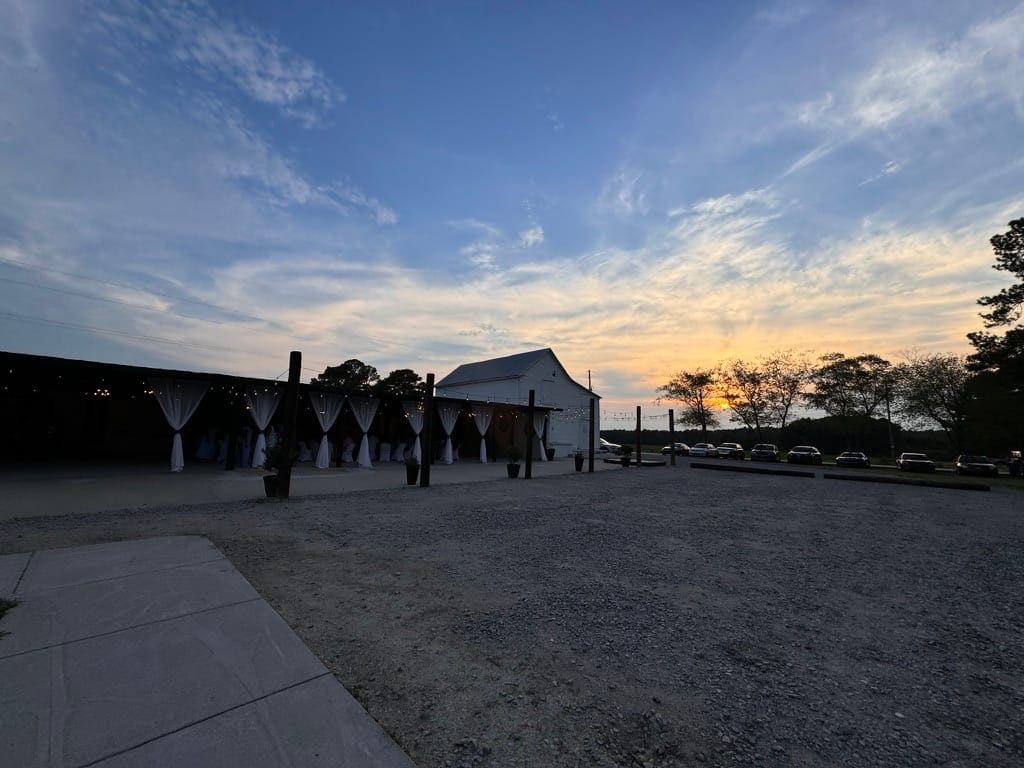
Let current weddings improve future tours
Wedding season produces the material that makes tour season stronger.
Notice the questions guests ask. Photograph setups that show the range of the property. Record the logistical solutions that worked. Ask vendors where they lost time. Review the points where the couple needed extra reassurance.
Those observations can become better website answers, better tour talking points, better vendor instructions, and better package boundaries.
The goal is not to create more content for the sake of content. The goal is to reduce uncertainty before the next couple arrives. Every honest answer you publish gives a future prospect one less reason to delay the tour.
Do not spend all of September catching up
Catching up feels productive because the neglected list is visible. Preparation is less visible, but often more valuable.
Divide the quiet-season work into three buckets: repair what a couple can see, clarify what a couple needs to understand, and measure what the business needs to know.
That gives you a balanced operating plan. The venue gets stronger physically. The buying process gets clearer. The owner gets better information before making decisions about staffing, marketing, or pricing.
VOWS is being formed so venue owners can compare these operating rhythms honestly. The exact calendar will vary by region and property, but none of us benefits from treating predictable seasonality like a private failure.
Next week, we will look at the pricing side of the cycle: why a slower inquiry week should not trigger a discount on the most valuable date in your inventory.