
How to Price Your Services So Couples Say Yes Faster
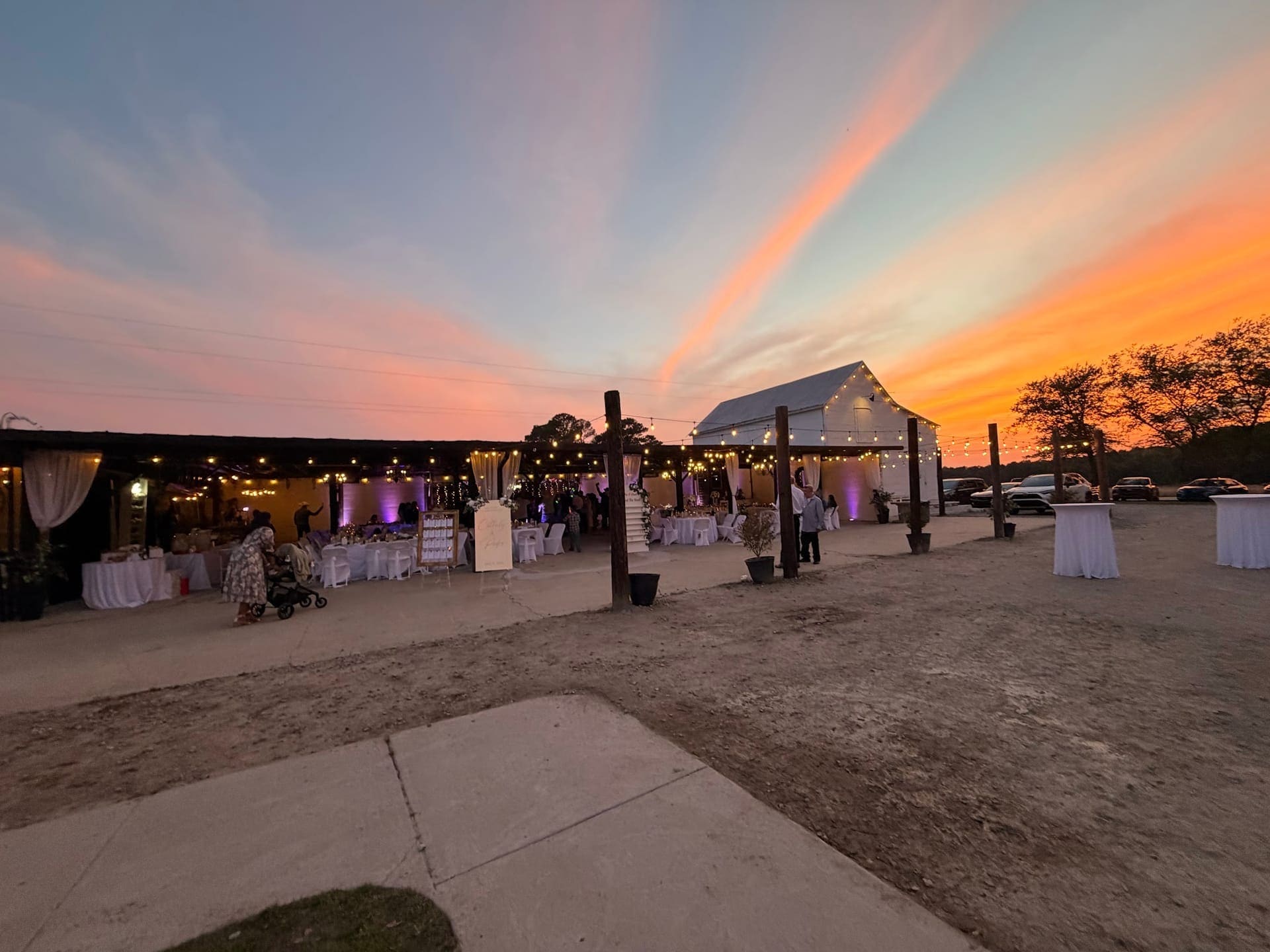
I have had more pricing conversations than I can count, both on the venue side and watching vendor partners work through their own book-or-lose moments. One thing I have learned is that pricing is not math. It is psychology. The couples who hesitate are rarely hesitating because of the number. They're hesitating because the number doesn't make sense to them yet.
I'm Josh Darville, co-owner of Scarborough House in Wilson, NC. We opened in 2020 and have worked with vendors of every type and pricing structure. Here is what I've seen work, and what I have seen cost good vendors good bookings.
The three pricing mistakes I see most often
Hiding your prices entirely. I understand the instinct. You don't want to scare people off before you have had a chance to show them your value. But in 2025, couples do most of their vendor research before they ever reach out. If your pricing is not visible anywhere, they move on to someone whose pricing they can see. You are not creating mystery. You are creating friction. At minimum, publish a starting price with a clear "pricing starts at" range so couples can self-qualify before reaching out.
Pricing by the hour when you should be pricing by the outcome. Couples do not buy hours. They buy results. A photographer who charges by the hour is asking the couple to think about time. A photographer who offers "full wedding day coverage with 600 edited photos delivered in three weeks" is asking the couple to think about their wedding album. The second framing sells faster at the same underlying price point. Whenever possible, package your services around what the couple walks away with, not how long you were there.
Building packages that serve your convenience rather than the couple's decision. I see vendors who offer three packages where the only difference between Package 1 and Package 2 is one extra hour of coverage or one extra piece of equipment. That is not a decision framework. That is a homework assignment. Build packages around the kinds of weddings you serve: the intimate ceremony, the full wedding day, the destination weekend. Let the couple see themselves in one of the packages instead of doing the math.
The anchoring principle that changes how couples see your price
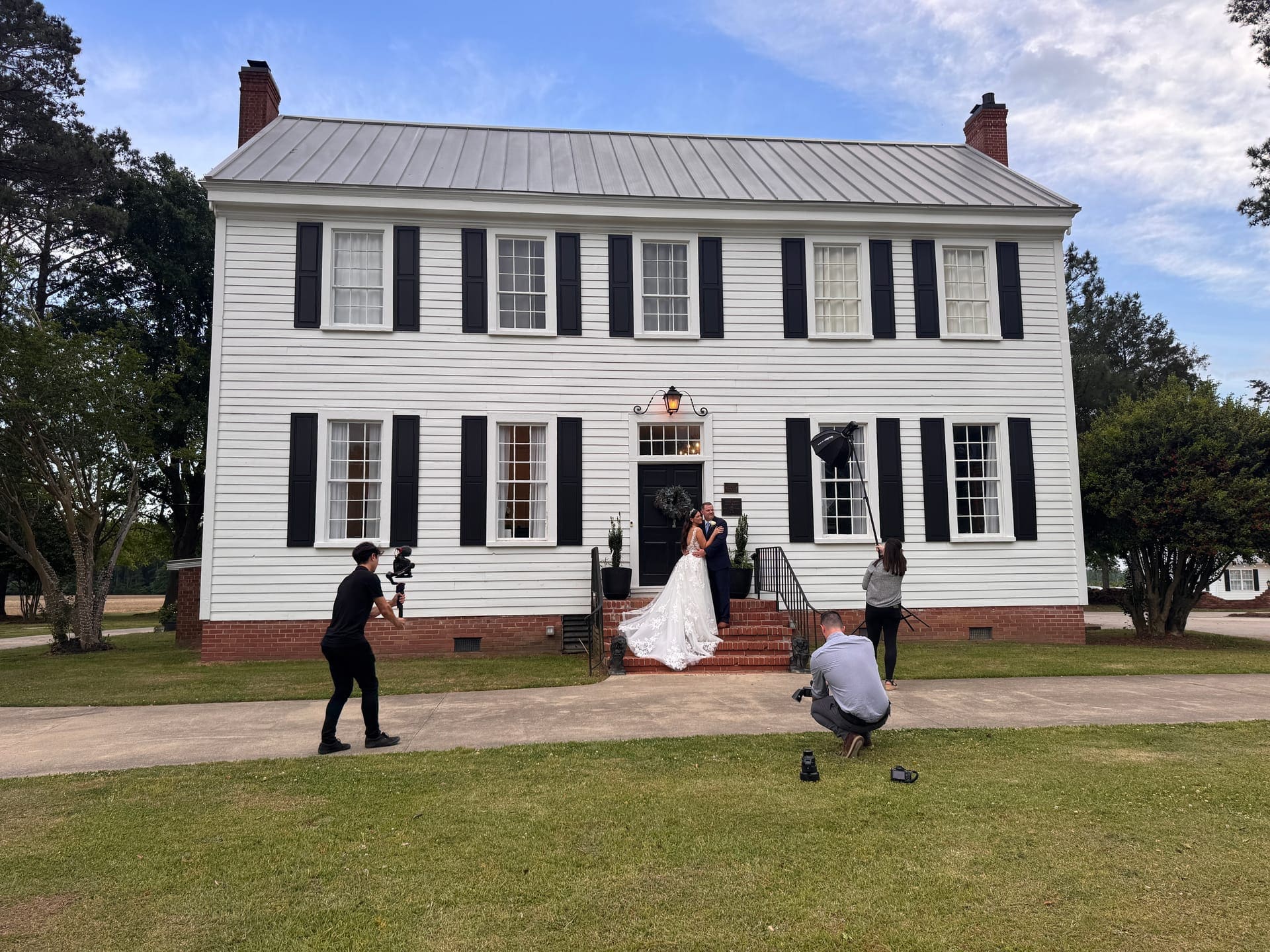
Every price feels either high or low depending on what it is anchored against. Present your middle package first, at full price, with everything it includes. Then show the premium option. Then show the entry package. This is not manipulation. It is helping couples understand context.
When a couple sees your middle package first and then sees a more comprehensive option, the middle package suddenly feels like a smart, reasonable choice. When they see only the middle package cold with no comparison, the price is being evaluated in a vacuum, and vacuums are where hesitation lives.
The venue industry figured this out years ago. When couples tour our pricing page, they're not just seeing a number. They're seeing what that number includes, what the experience looks like, and who it is designed for. Your pricing page should do the same work.
What to put on your pricing page versus what to save for the consultation
Your pricing page should answer four questions: What does it cost? What does the price include? Who is this right for? What do I do next?
It does not need to include every nuance of your contract, your travel fee policy, or your turnaround time for edits. Those are consultation conversations. The goal of your pricing page is to get the right couples to reach out, not to answer every possible question before they do.
The "who is this right for" section is one that most vendors skip entirely, and it is one of the highest-leverage pieces of copy on your site. When you write "This package is designed for couples who want a relaxed, documentary-style coverage of their full day without staged poses," you are doing two things at once. You are attracting the couples who want exactly that, and you are signaling to the couples who want something different that they should keep looking. Both outcomes save everyone time.
How to handle the "can you do it for less" conversation
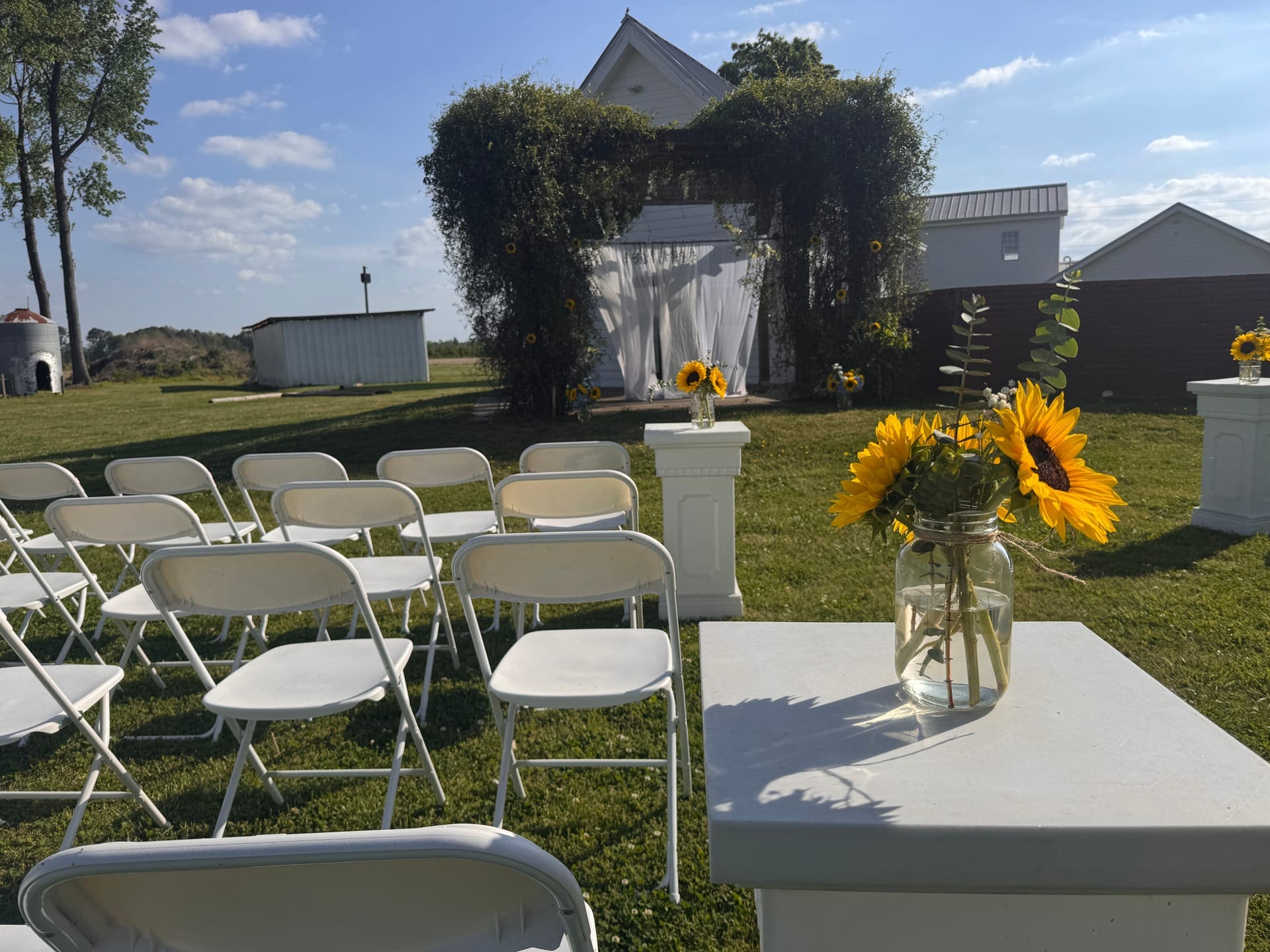
It is going to happen. Here is a framework that keeps the conversation productive without immediately discounting your rate.
When a couple asks for a lower price, the first response is to understand what they are actually asking. Often, they are not saying your price is wrong. They are saying they have a budget constraint and they want to know if there is a version of working with you that fits it. The right answer is usually to offer a reduced scope, not a reduced rate. Can you cover the ceremony and reception only, rather than the full day? Can you provide a smaller final gallery? Can you push the delivery timeline to reduce your post-production time per wedding?
Discounting your rate without reducing scope tells the couple your original rate was not real. Offering a reduced scope at the same rate per deliverable tells the couple you value your work, and you are willing to be creative to make it work. That is a very different signal, and it is one that leads to better long-term client relationships.
One pricing change to make this week
If your pricing page is currently a list of packages with prices and no context, add one paragraph above the packages that describes who you serve and what makes your approach different. Not marketing fluff. A real, direct sentence or two about the kinds of weddings you love and the couples who get the most out of working with you.
That single change can cut your "I need to think about it" rate significantly, because couples who resonate with that description no longer need to think about it. They already know they've found their vendor.
If you are not yet listed in the Scarborough House vendor directory, apply here. It is a free profile that puts you in front of every couple who books our estate, and our couples book early and plan thoroughly. Those are the clients your pricing strategy is designed for.